BACKGROUND: In 2023, the Environmental Protection Agency launched a $7 billion grant program aimed at expanding solar for all via access to affordable, resilient solar energy for low-income and disadvantaged communities.
Why SOFA matters?
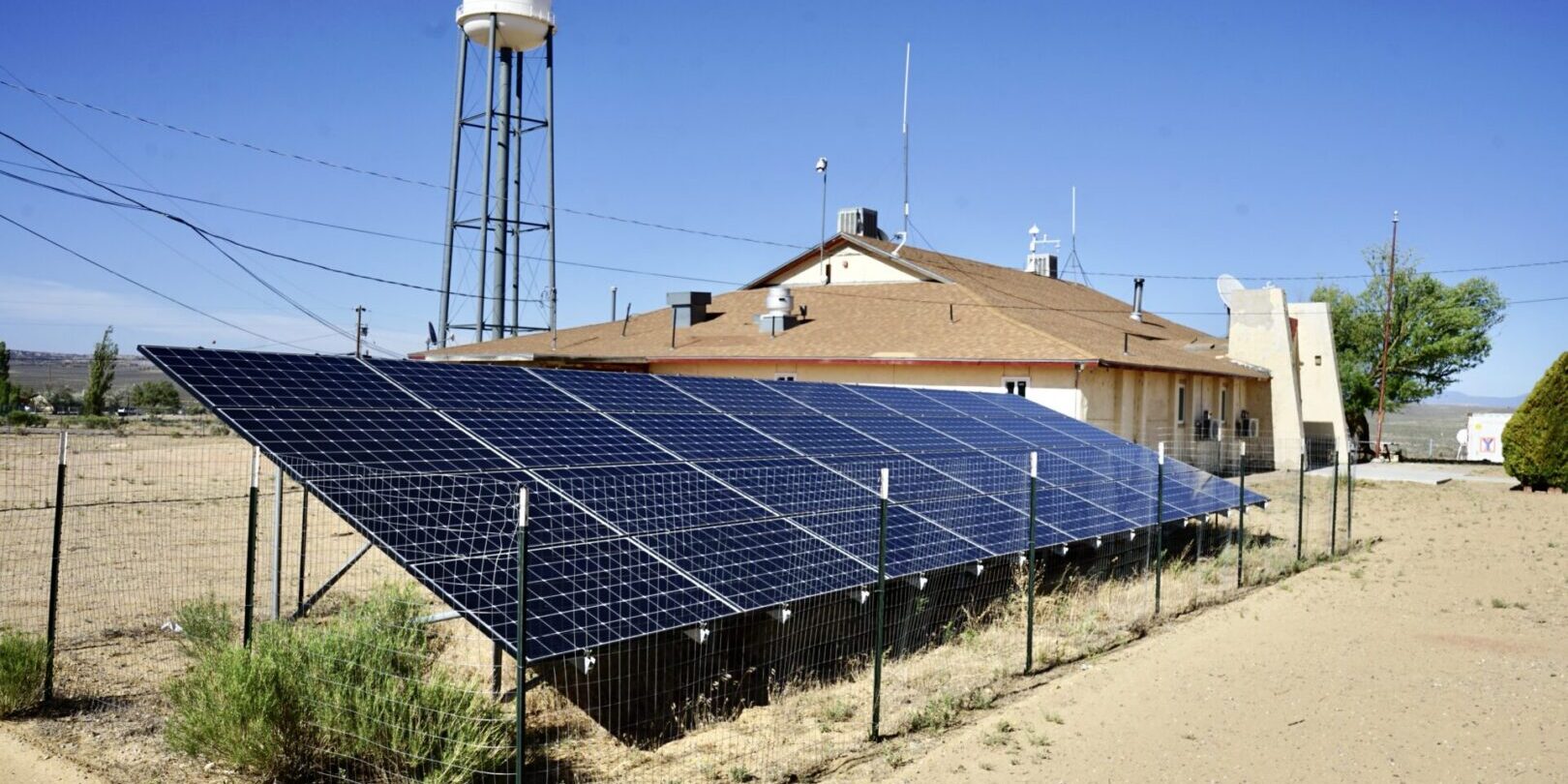
As an Arizona grant recipient of Solar for All (SOFA), Tó Nizhóní Ání aims to address energy affordability, resiliency, and environmental justice by expanding solar access and energy affordability on the Navajo Nation. The number of people who don't have electricity on the reservation remains high. Organizations like Native Renewables are trying to address some of these needs by installing off-grid solar to rural homes on the Navajo Nation.
Tribal Communities & Energy Burdens
28%
28% higher energy burden than the national household average. Spending less than 6% of total income on electricity, gas, and heating is an average energy burden. Many Navajo communities are at or exceed 6%.
~17,000
~17,000 tribal homes lack electricity nationally, 75% of which are on Navajo Nation
1.5 - 2.5x
1.5 - 2.5x greater energy burden in AZ tribal reservations compared to the statewide average
What is driving energy costs up?
Misaligned Utility Incentives
Load Growth
Fuel Price Volatility
Aging Grid Infrastructure
Extreme Weather & Wildfires
What's Next?
Tó Nizhóní Ání is currently exploring a number of options to increase energy affordability on the Navajo Nation and one of those being net-metering.
What is Net-Metering?
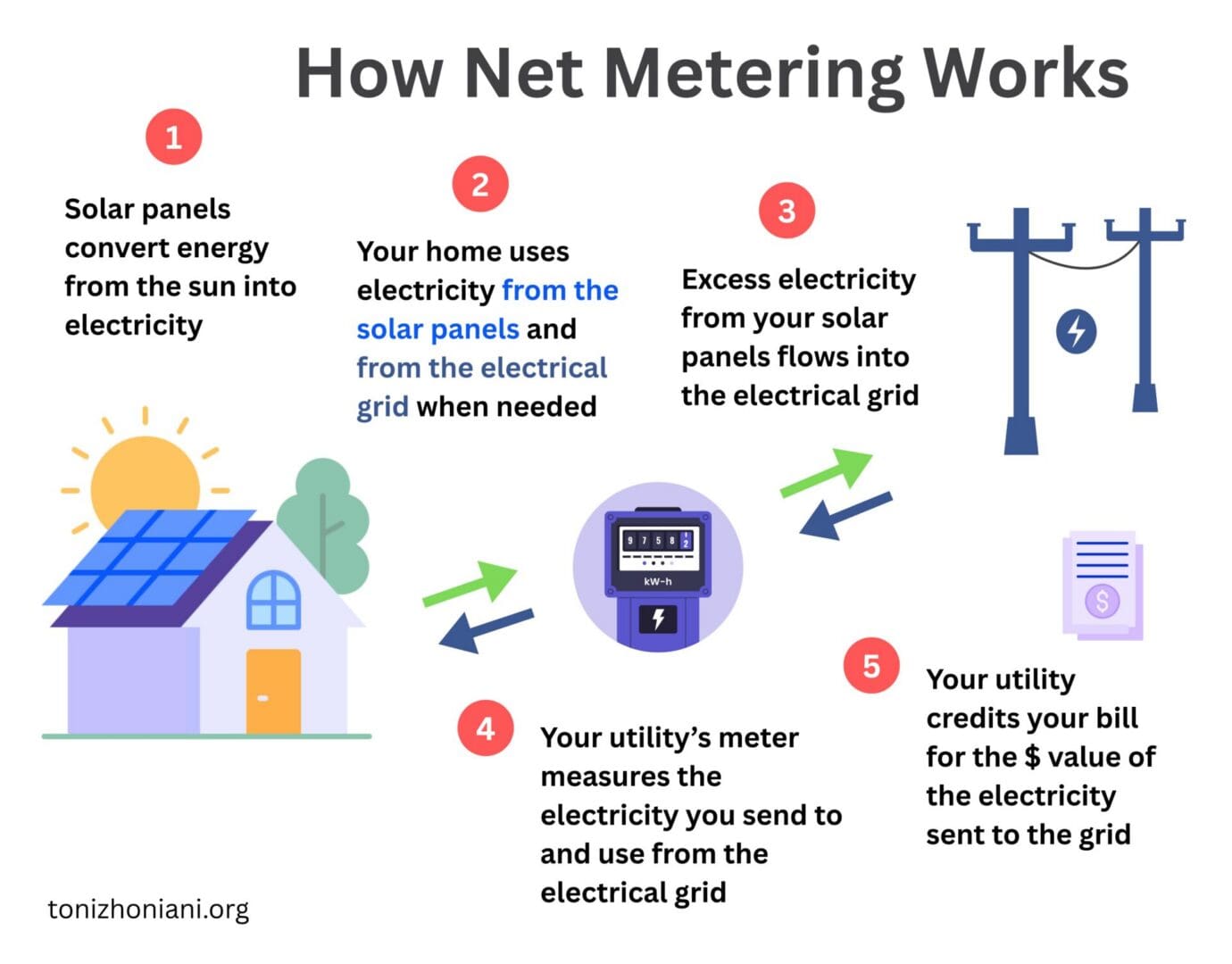
Net metering is a billing mechanism that allows residential, school, government, and commercial customers who generate their own electricity from solar power to sell the electricity they aren’t using back into the grid.
The utility pays them monetary credits for the extra power at a 1:1 rate. The result is a reduced or zeroed-out monthly electric bill or earned credit to be used by the customer at later dates or times, such as during winter months, nighttime usage, or on cloudy days. Credits can also be shared with neighboring customers, such as households or schools.
SOLAR ON NAVAJO
PUBLIC SCHOOLS
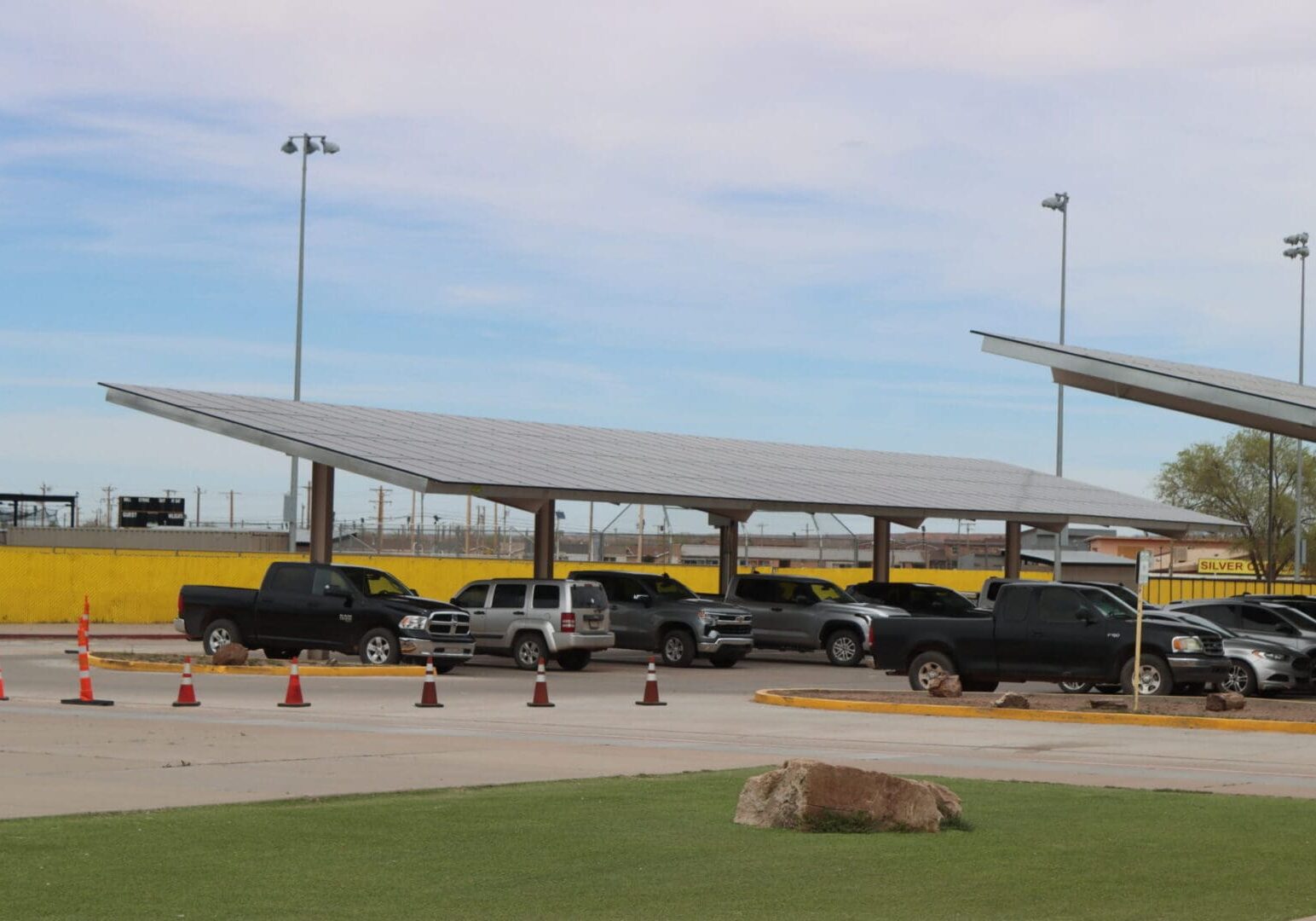
Public schools and school districts on the Navajo Nation, through an approved net-metering policy, stand to save millions of dollars in electric utility bills in the near term alone...
LOCAL GOVERNANCE
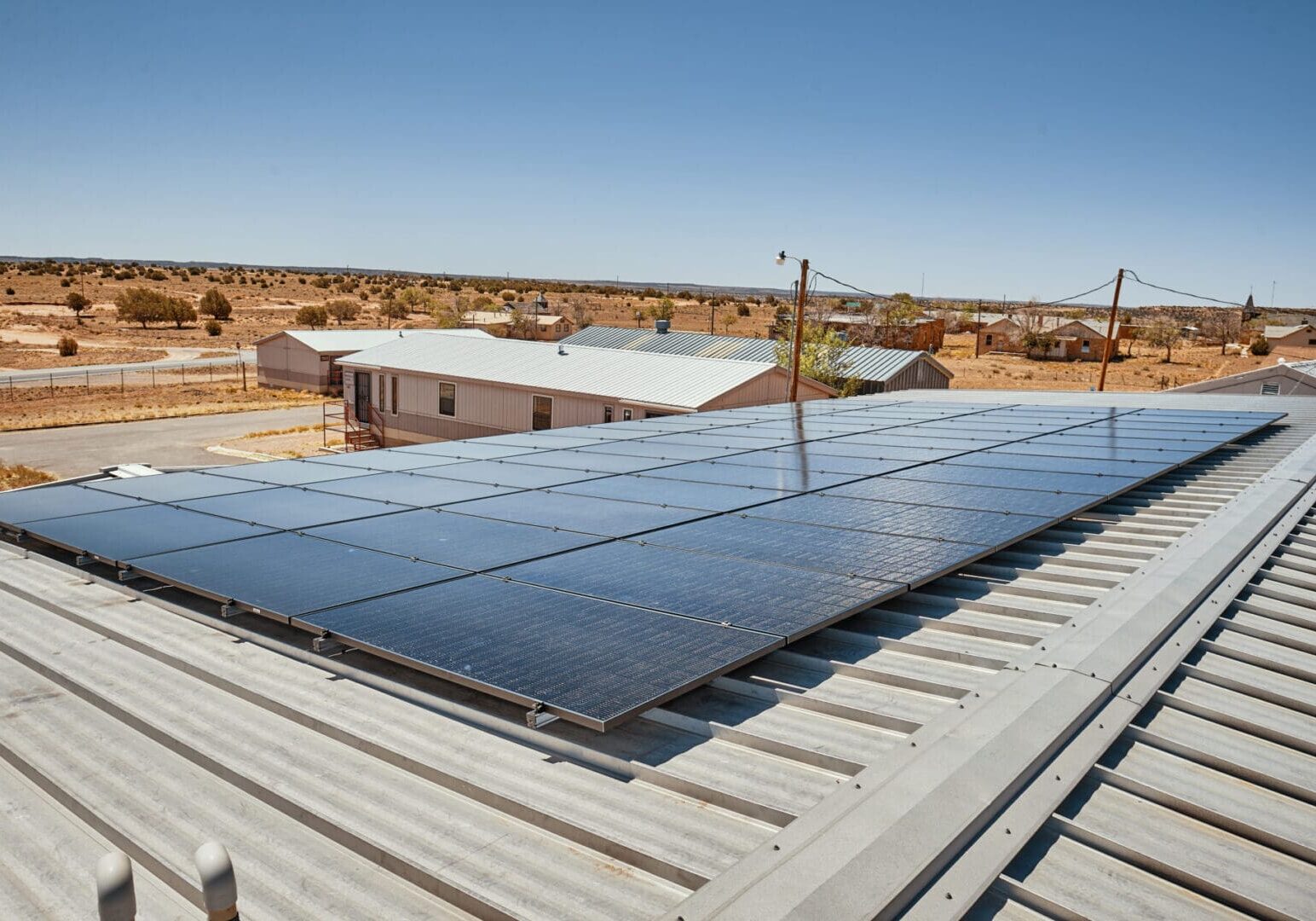
Solar installations at several chapter houses (local units of government) across the Navajo Nation in recent years have resulted in some energy savings...
COMMERCE
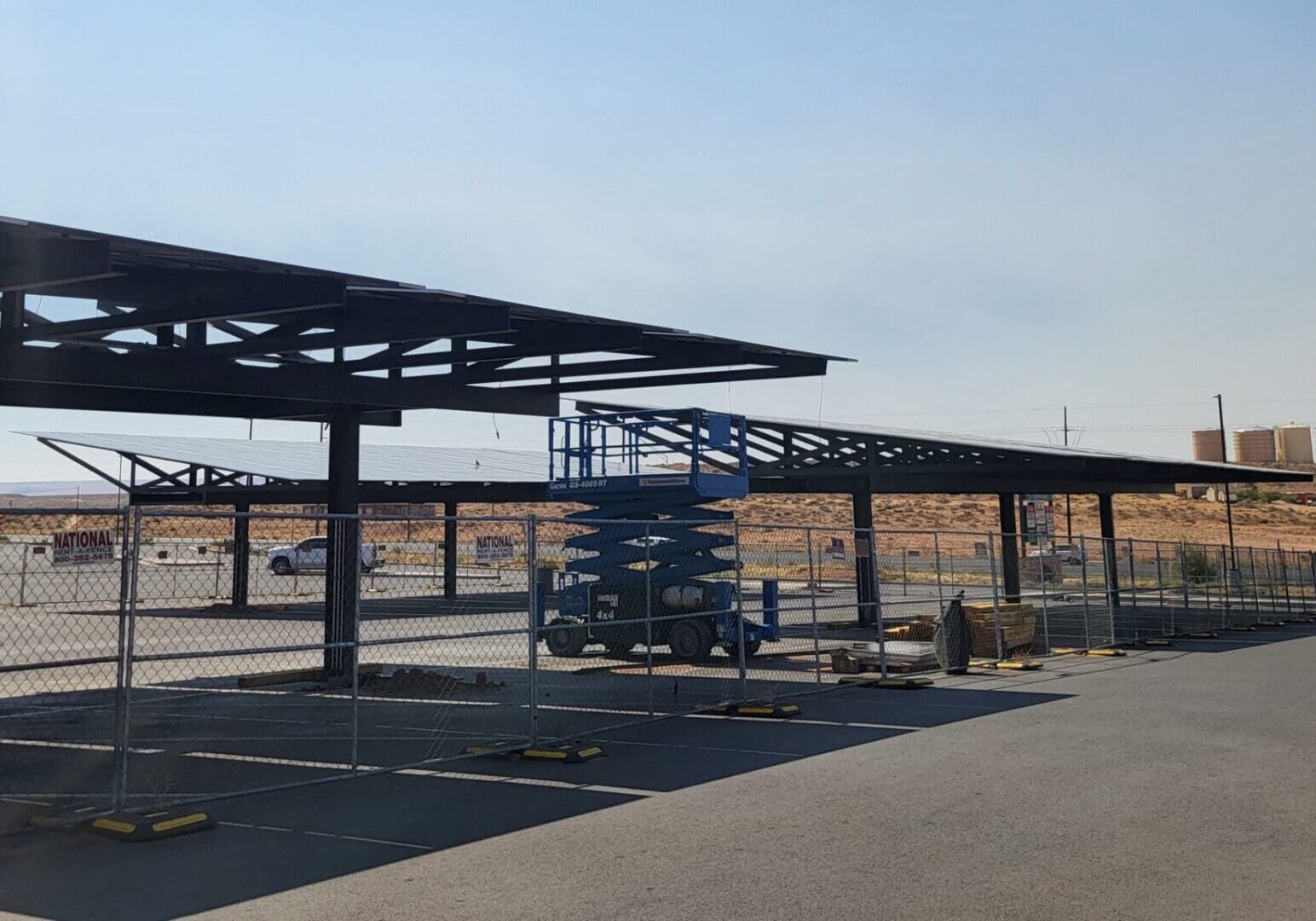
Imagine small business development (and jobs!) on the Navajo Nation exploding. This is certainly possible if policies are created in support of local business owners...
Contat Us:

Eric Descheenie
Community Organizer
eric@tonizhoniani.org

Adrian Herder
Media Organizer
adrian@tonizhoniani.org
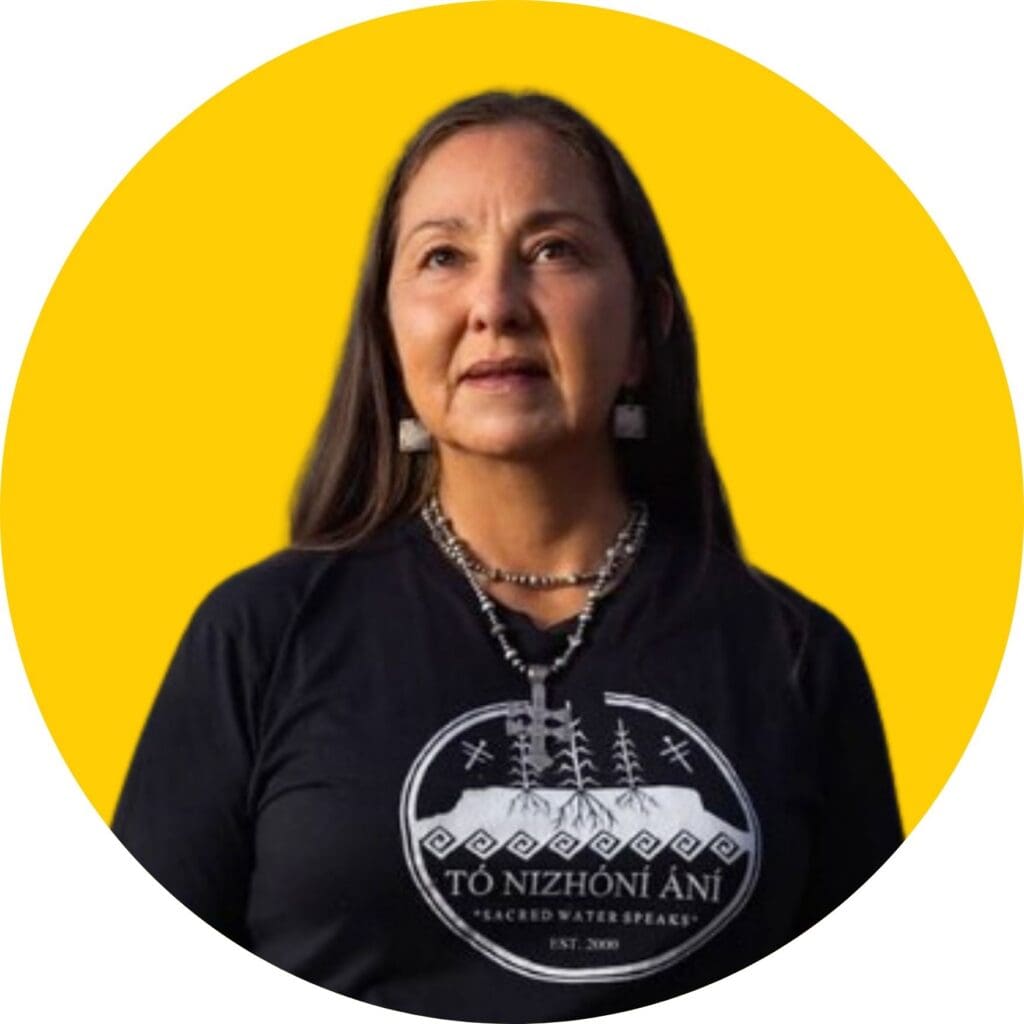
Nicole Horseherder
Executive Director
nicole@tonizhoniani.org