
BACKGROUND
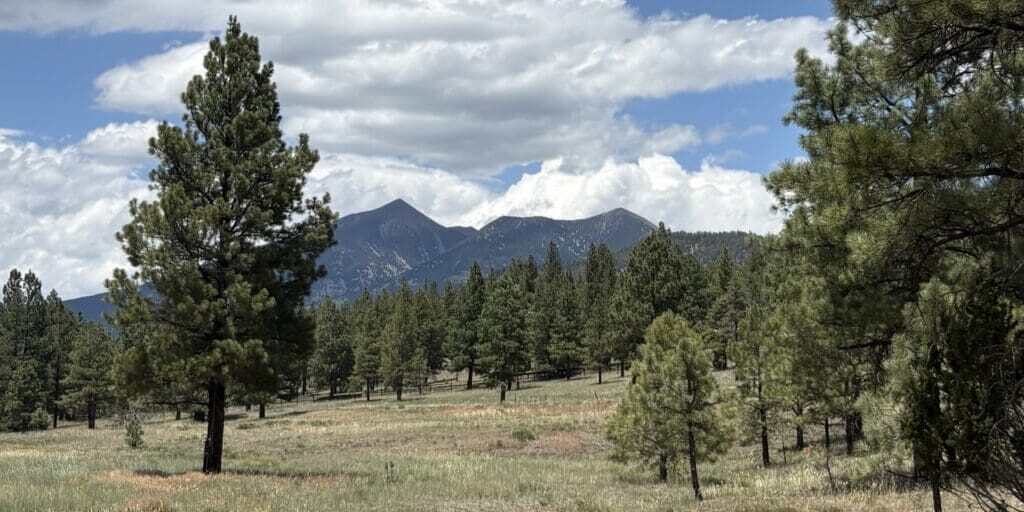
As Peabody Western Coal Company continues with reclamation on Black Mesa, non-native grasses are being planted where the native plant communities once thrived. Peabody's lease is over 60,000 acres and has allocated only 5% of those reclaimed lands for “cultural sites.” Cultural sites are reclaimed areas reseeded with native plants to replicate the original vegetation. Without local plant knowledge from the communities within the mine site, the reclaimed areas would continue to be reseeded with non-native plant species.
Project Mission:
The Dził Yíjiin Nanise' (DYN or Black Mesa Plant) Project strives to create a comprehensive plant identification guide that documents Black Mesa’s native flora—including Diné names, traditional uses, and cultural significance. This project preserves traditional ecological knowledge to advocate for meaningful reclamation that restores native plant communities, and aims to provide opportunities for youth to learn about native plants to preserve traditional ecological knowledge.
How It Started
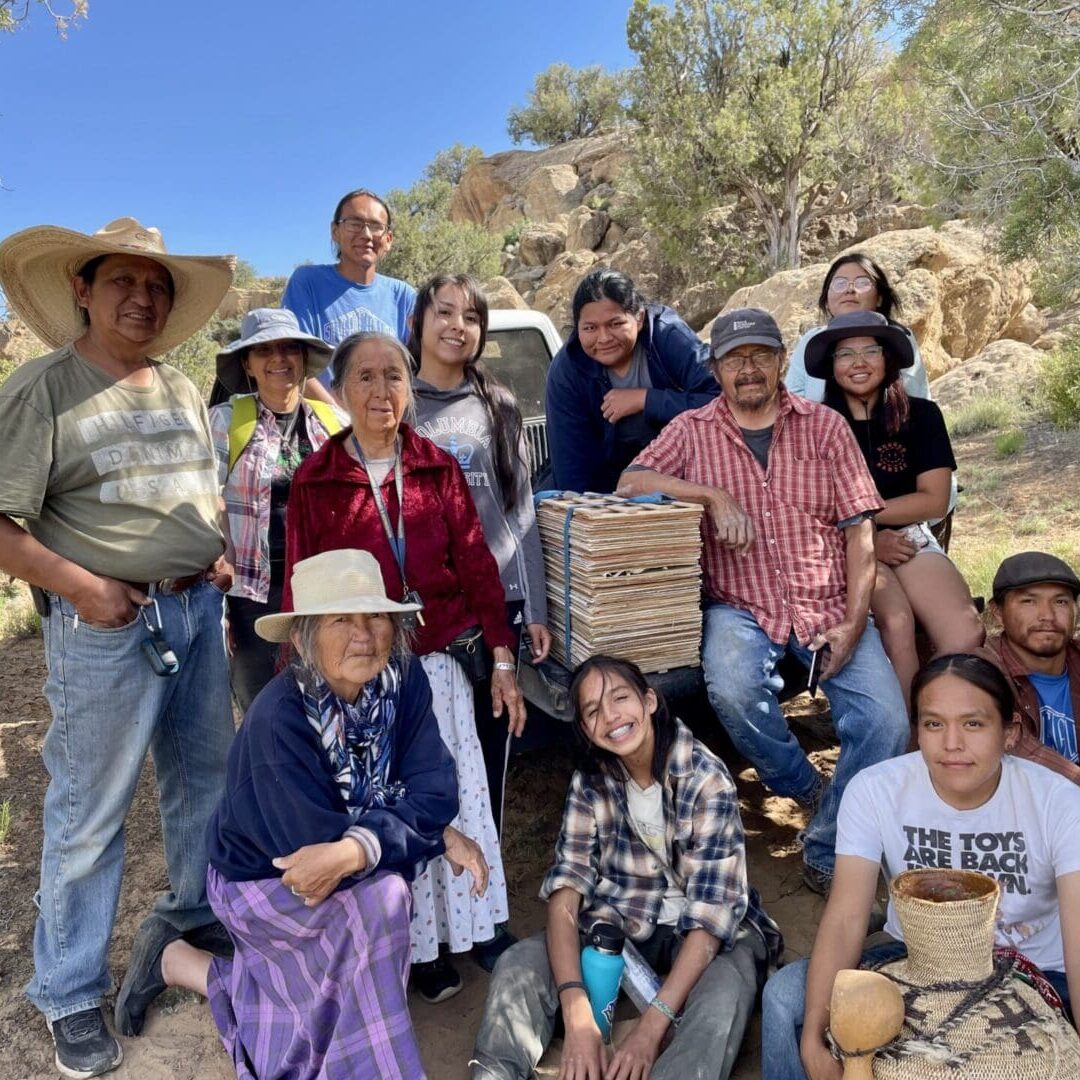
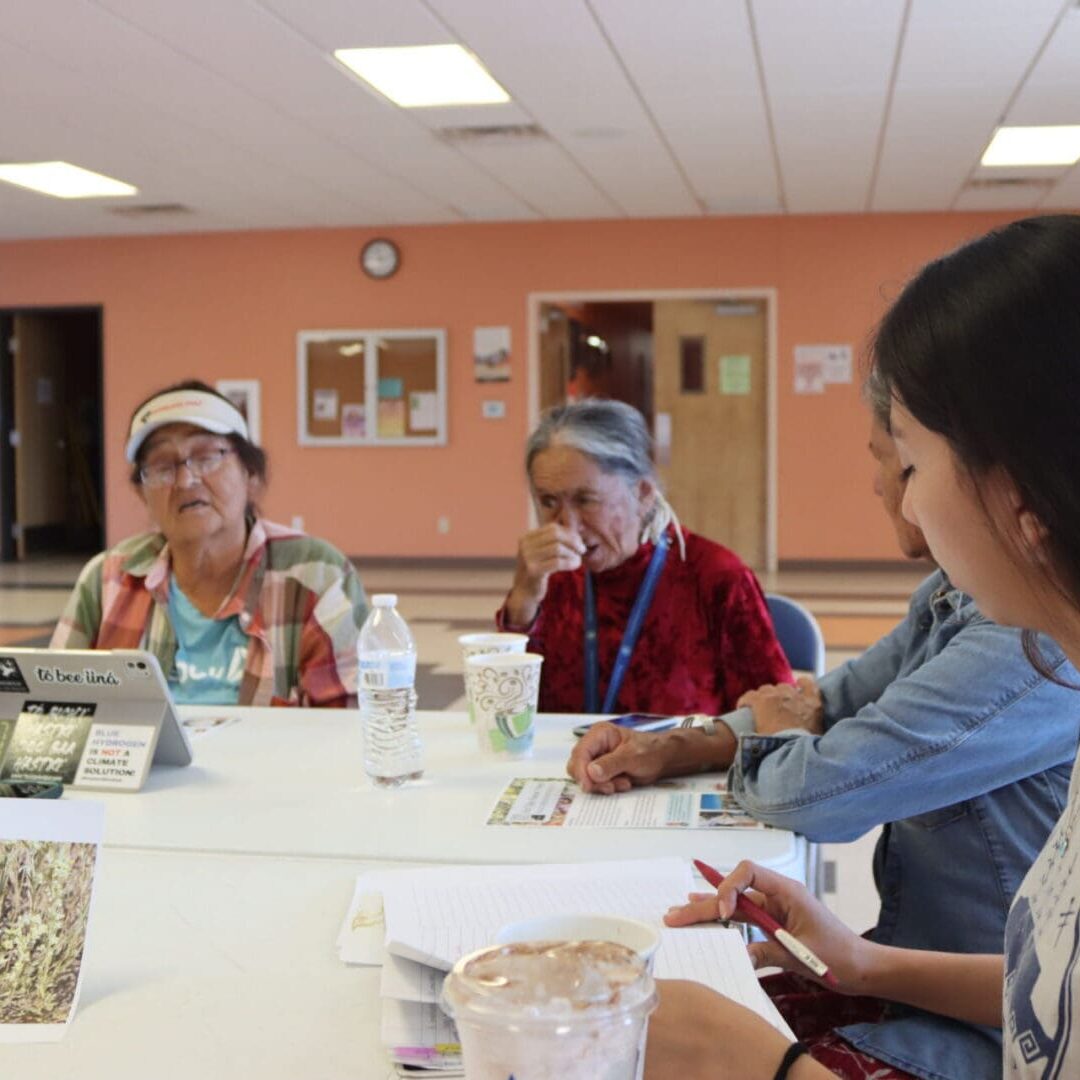
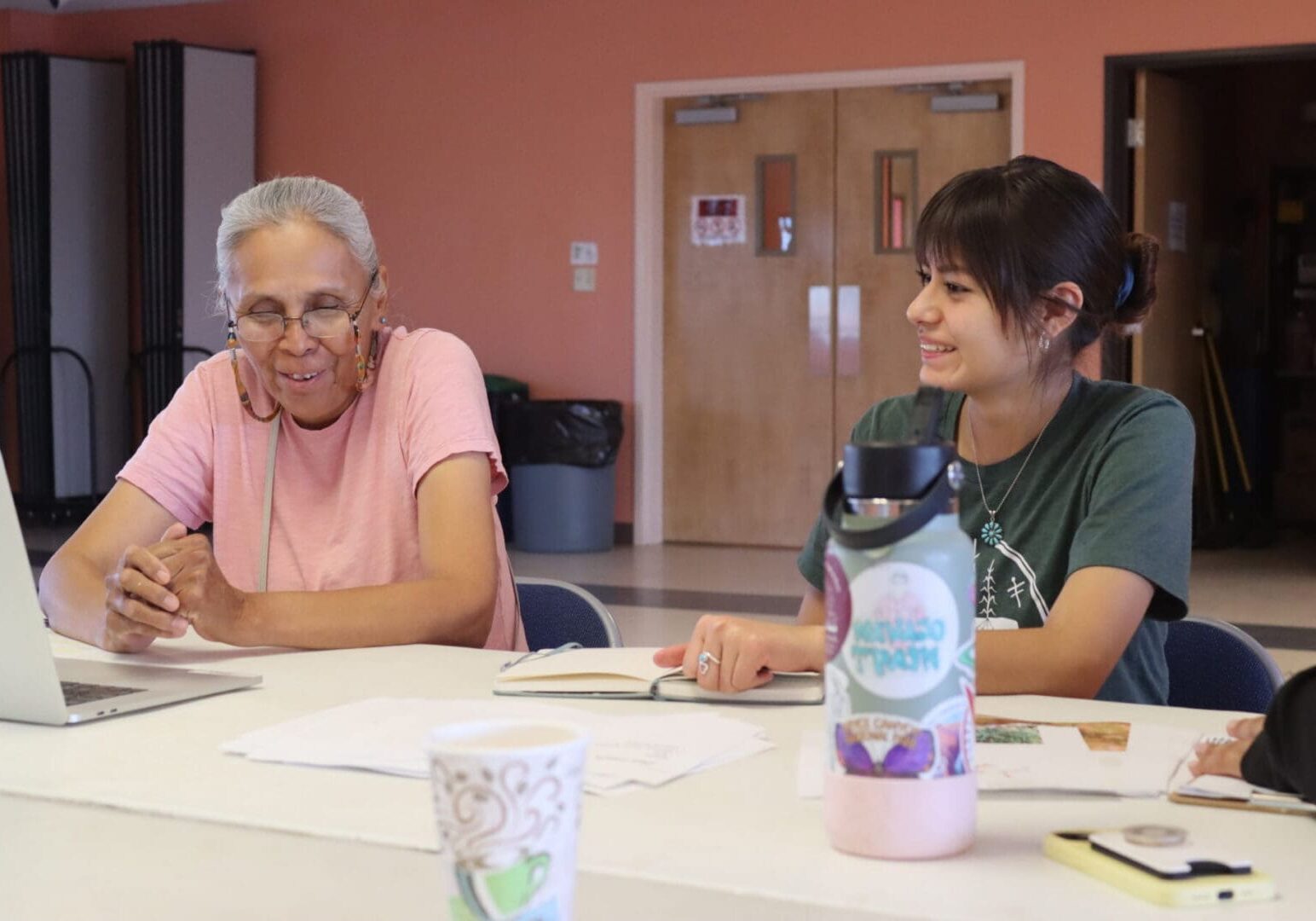
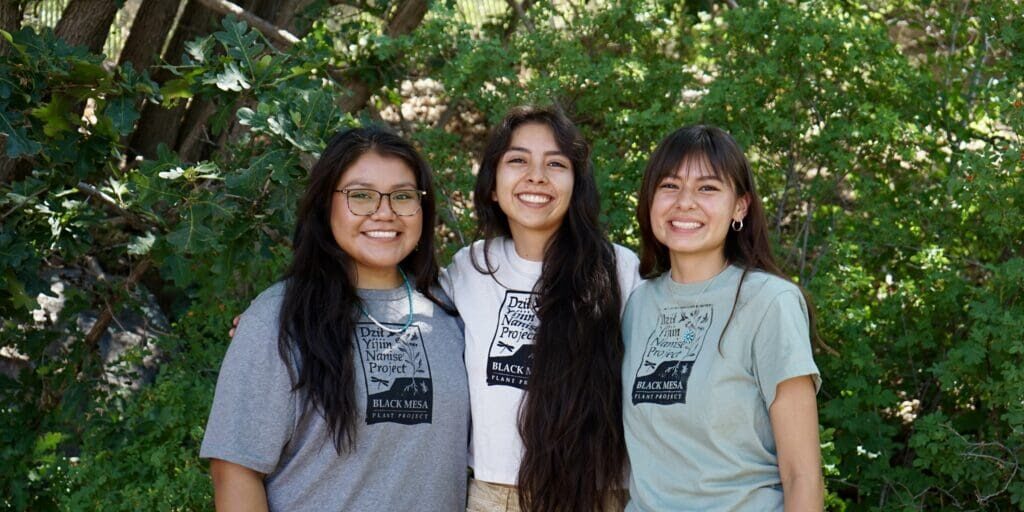
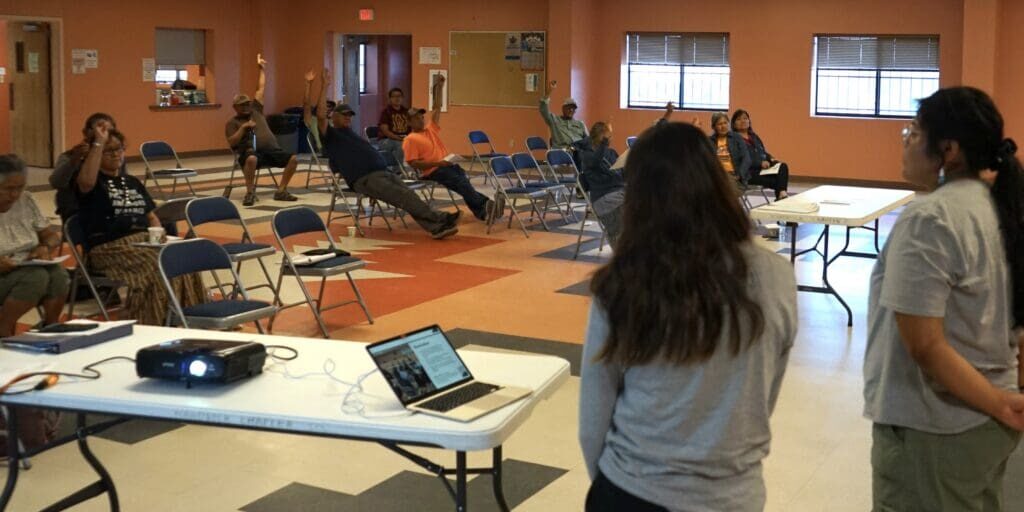
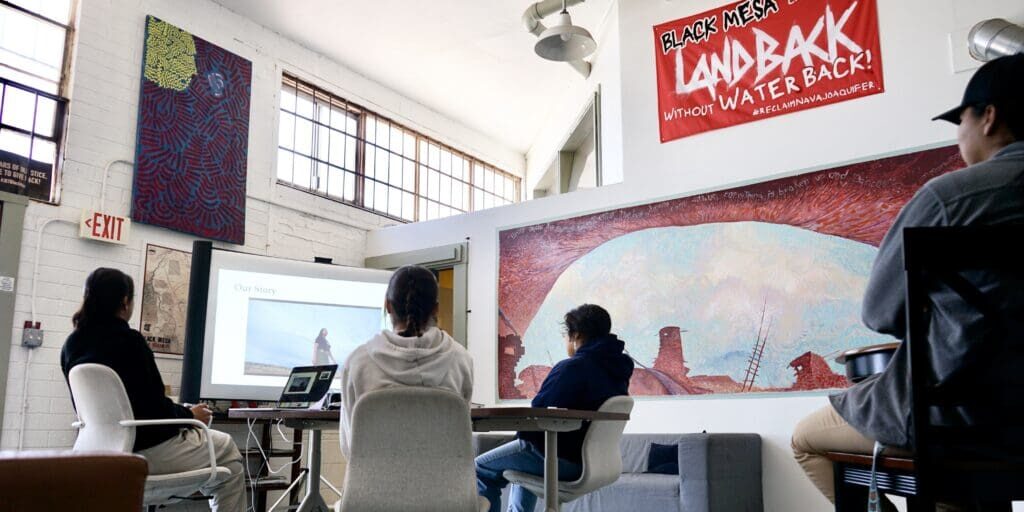
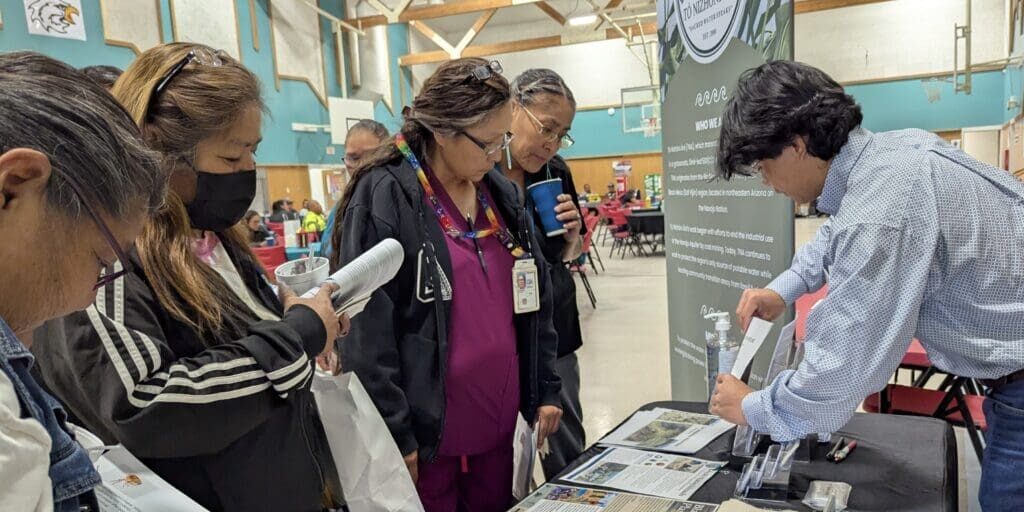
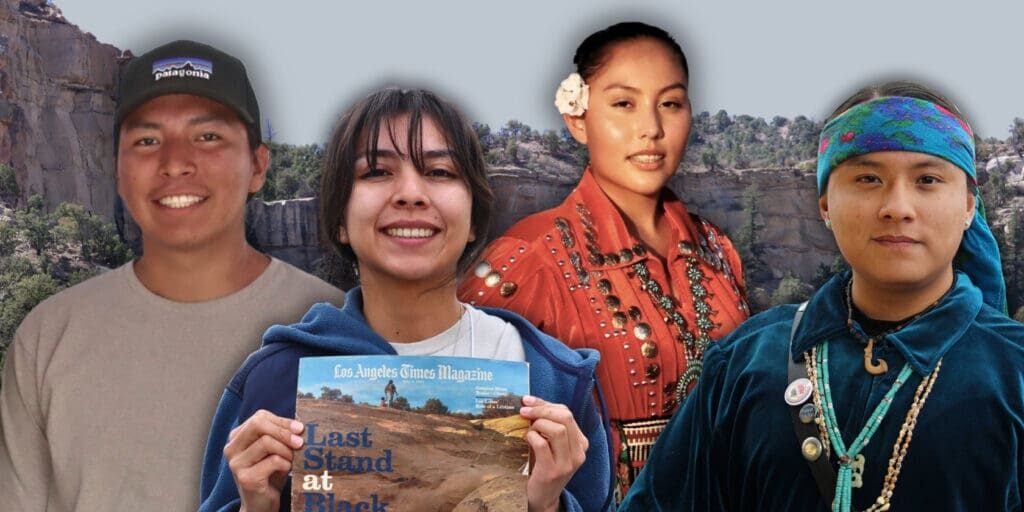
In 2022, Tó Nizhóní Ání (TNA) hosted a Native Plant Identification Workshop in Hardrock, AZ, facilitated by Diné botanist Arnold Clifford. The community response was overwhelming—participants collected and identified over 50 specimens in a single day. Recognizing the urgent need to document Black Mesa’s plant life before it is lost, TNA organizers and Mr. Clifford began planning a comprehensive ethnobotany project. In 2023, TNA appointed a team of college students from Black Mesa to lead the work.
ACCOMPLISHMENTS
Community-Centered Collection
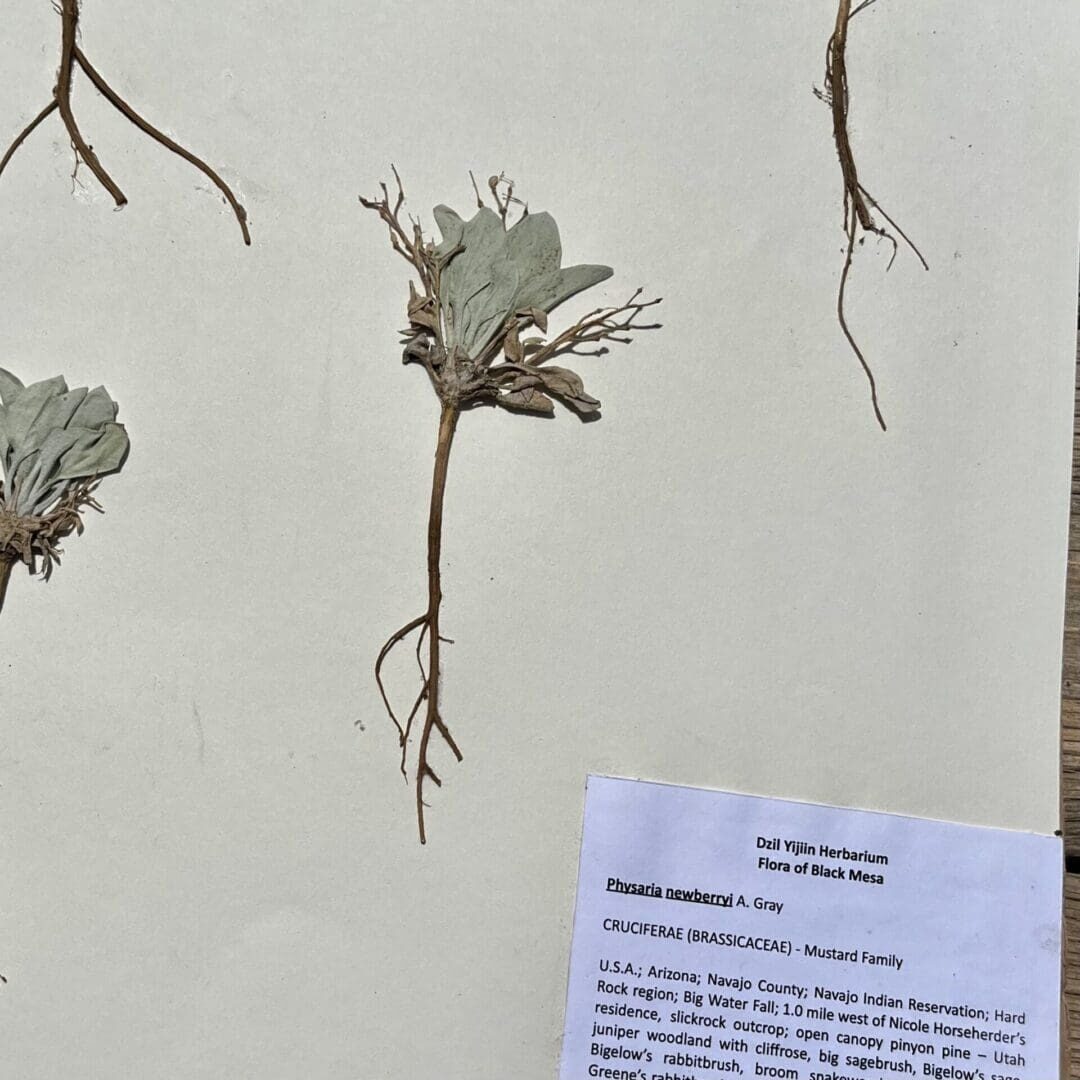
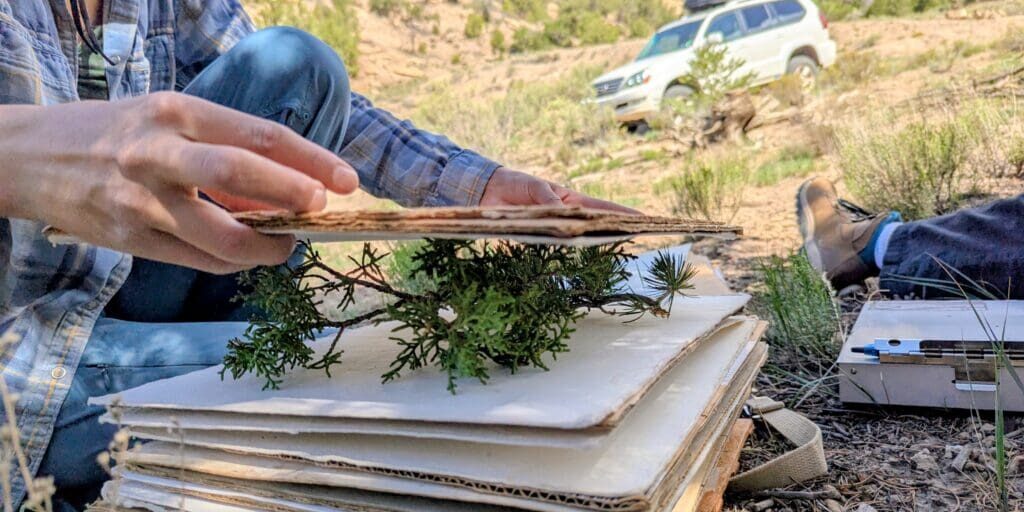
Professional Botanical Documentation
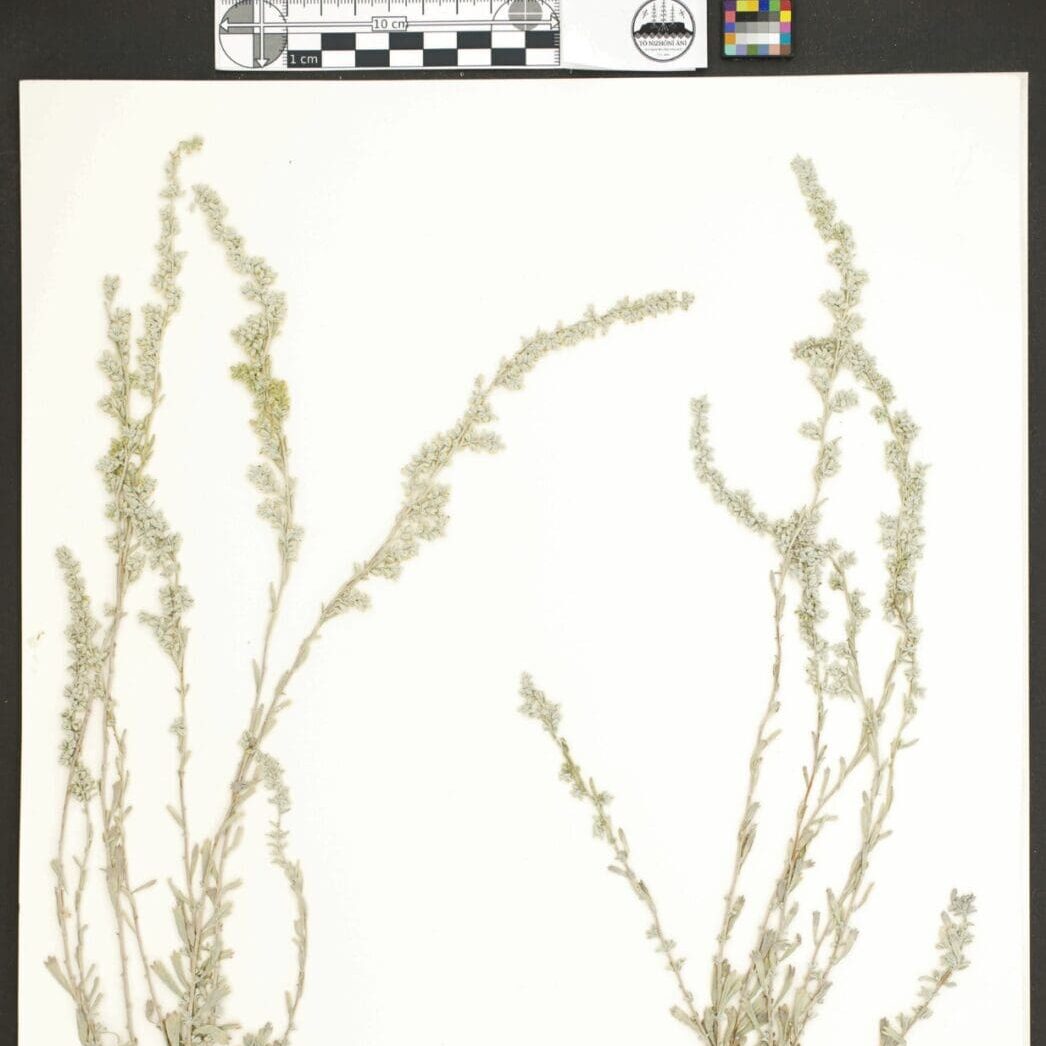
Digital Curation
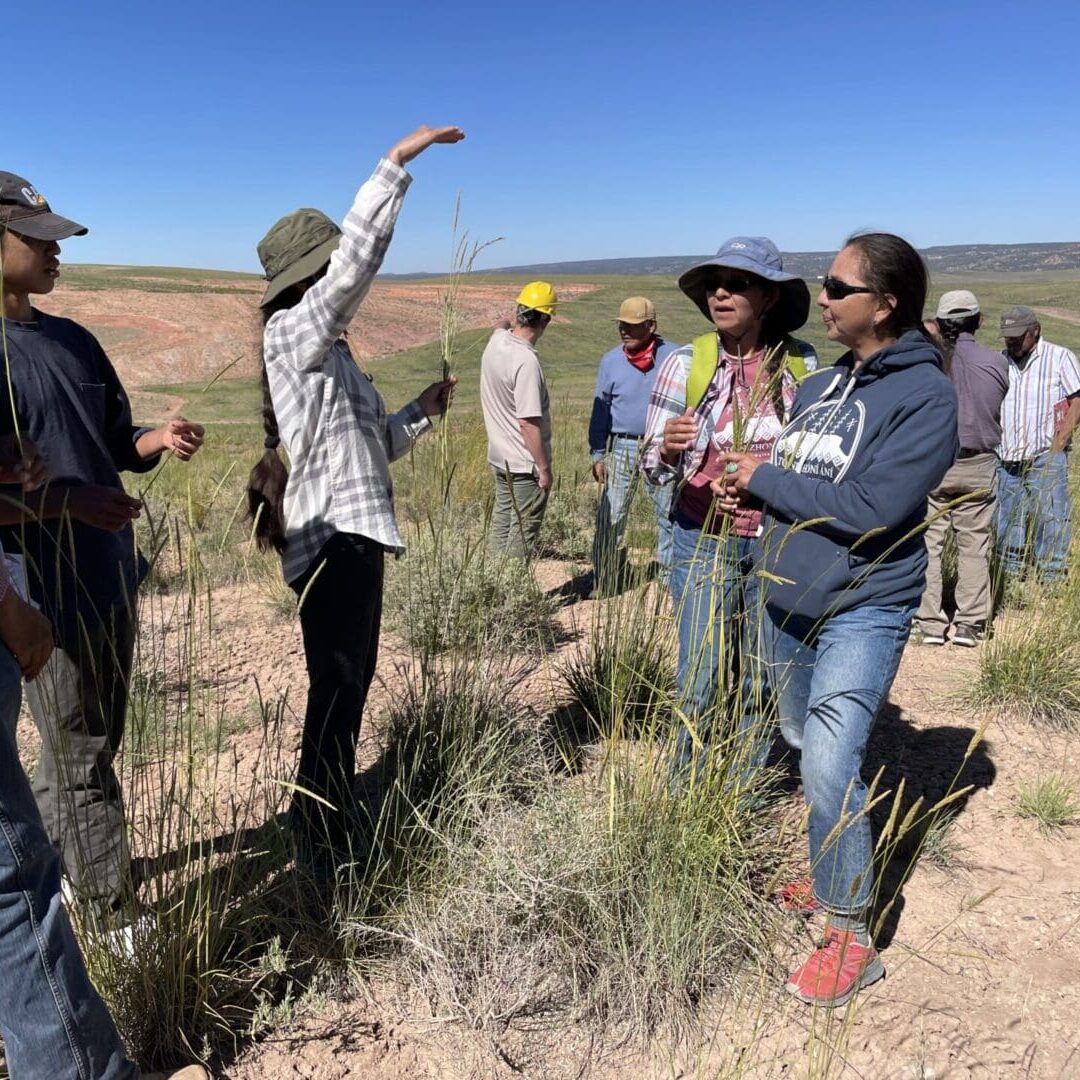
Reclamation Site Documentation
Traditional Knowledge Revival
What's Next?
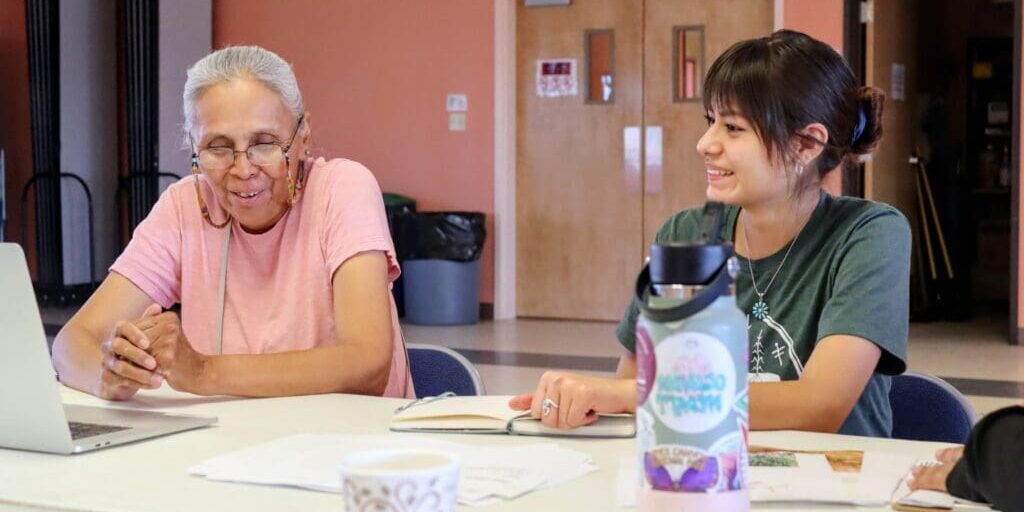
The Dził Yíjiin Nanise' (DYN) Project is continuing to expand traditional ecological knowledge by collaborating with local Diné medicine people and community members. The goal is to eventually create a resources that features both scientific data and Diné knowledge of plants.
The DYN Project will continue to push for adequate reclamation on Black Mesa by using the created documentation to advocate for proper restorative practices that restore plants, not just ground cover. Summer internships currently enable students to learn and internalize traditional and cultural plant knowledge, gain experience in leading interviews, engage with communtities, as well as spearheading a community project. If this is something you'd be interested in, look out for internship annoucements in the spring or if you would like to learn more, please email info@tonizhoniani.org.
Latest Plant Project News
Contact Us:
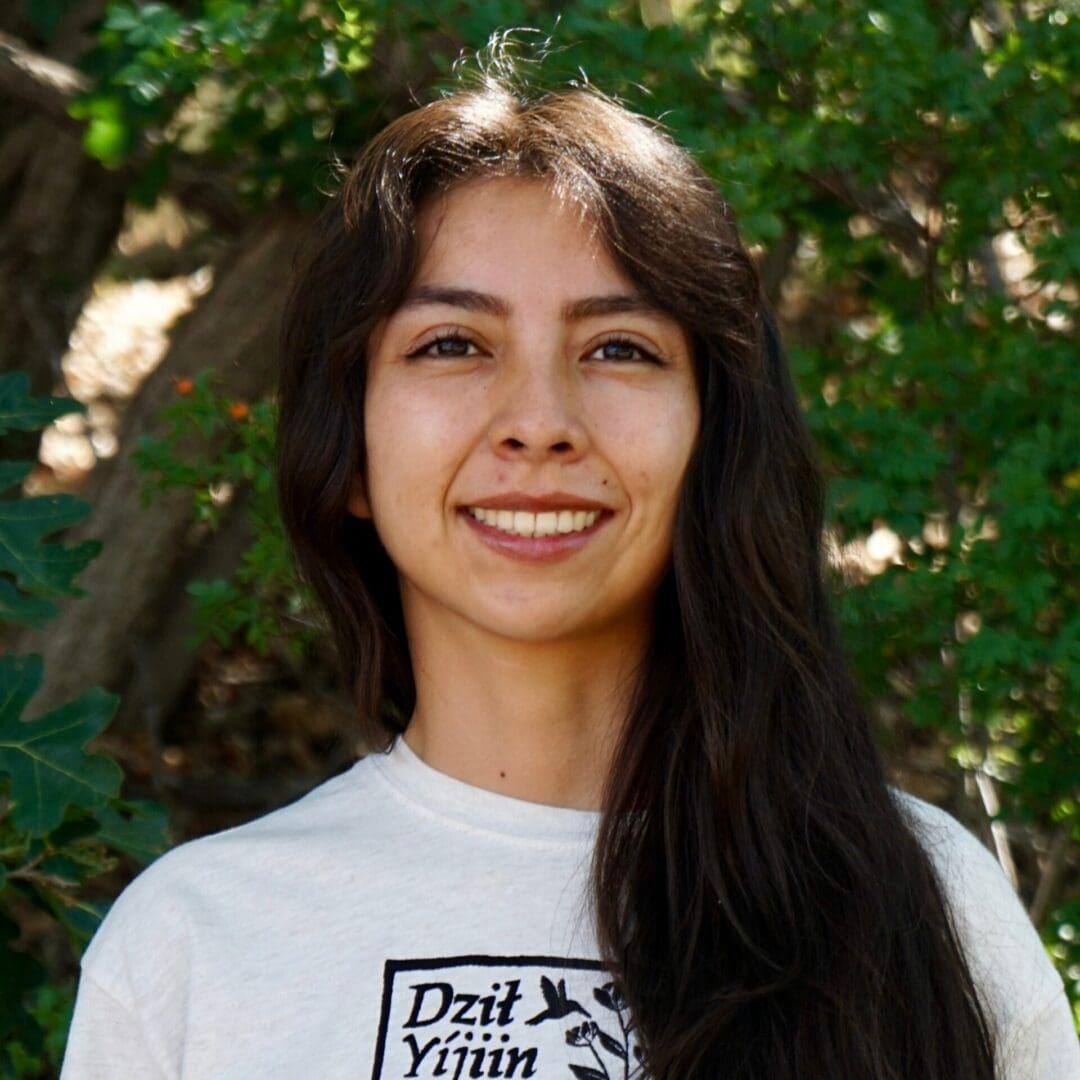
Raeanna Johnson
Project Lead
raeanna@tonizhoniani.org
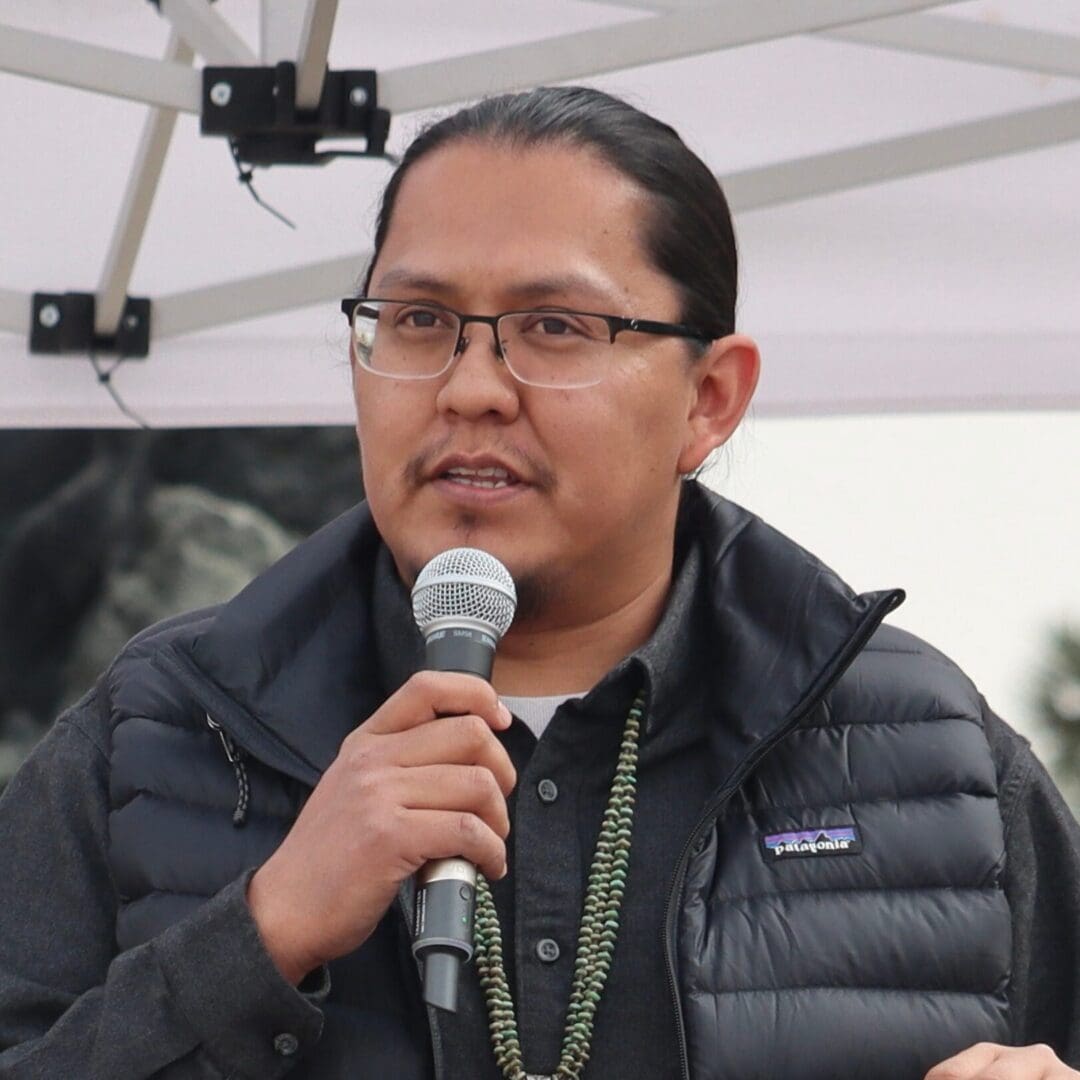
Adrian Herder
Media Organizer
adrian@tonizhoniani.org