Tsé Adááłdááz Watershed Restoration
Watershed Restoration
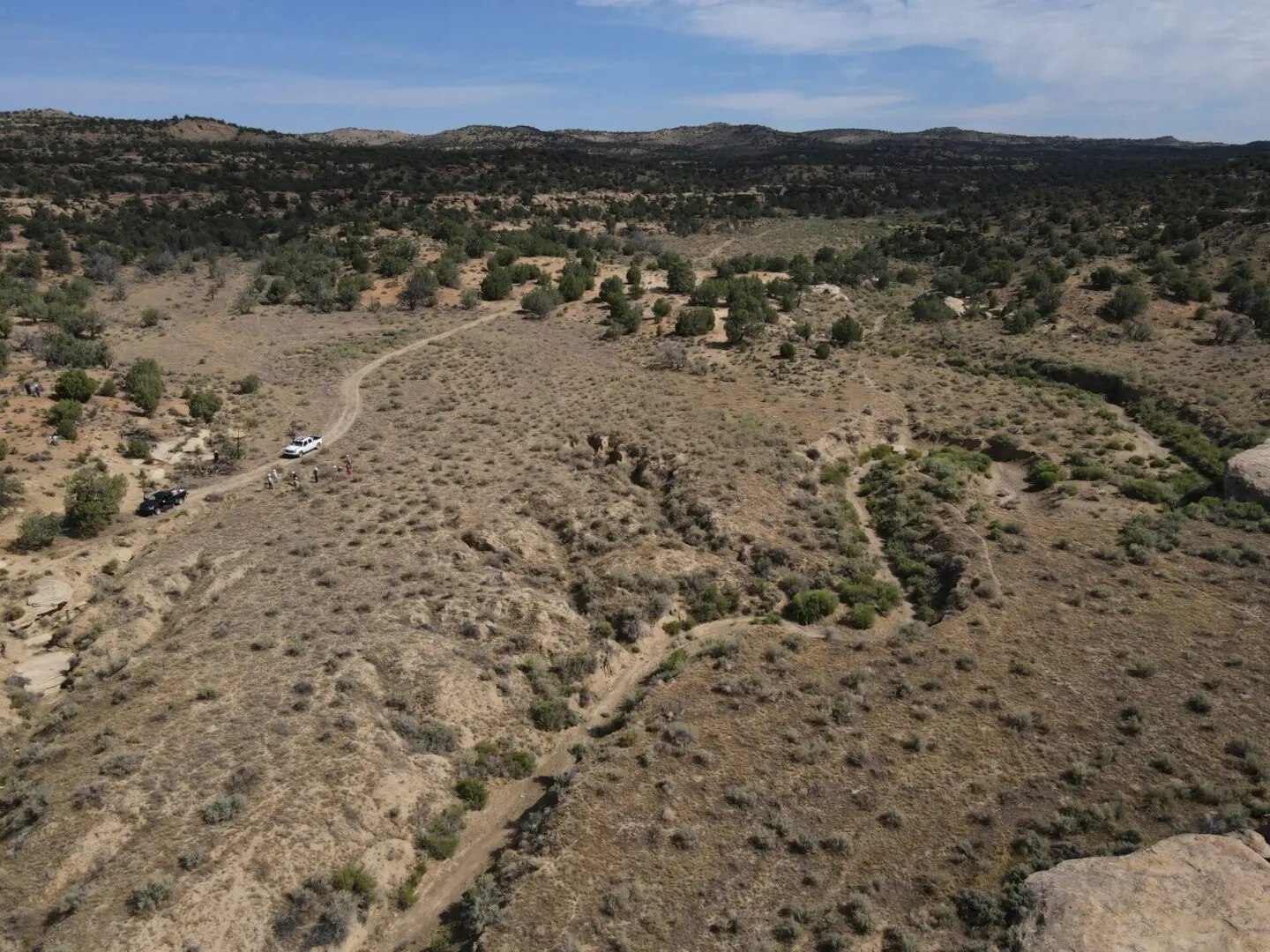
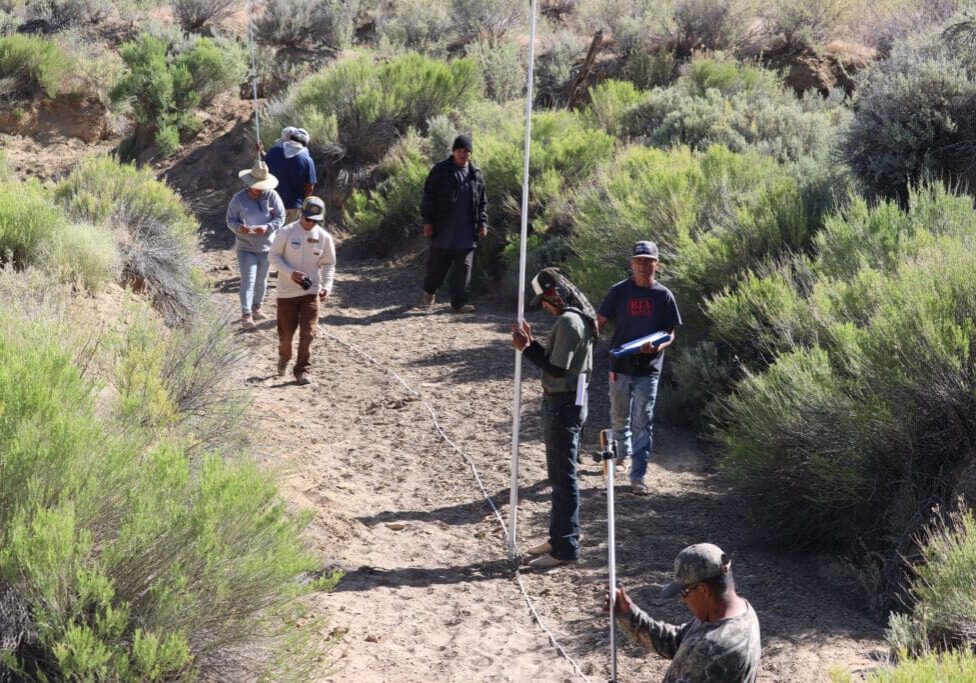
In 2024, Tó Nizhóní Ání kicked off our Watershed Restoration efforts with the Tsiyi’ Tó Watershed Pilot Project and Training, a nine-month pilot in Hardrock, Arizona. In partnership with Natural Channel Design Engineering Inc., our campaign began phase one of the pilot project in the Tsiyi’ Tó Wash watershed located in northeast Hardrock. From the Tsiyi' Tó Wash, our team traversed upstream the headwaters of the Oraibi Wash for our first official project. Learn more about the Tsiyi’ Tó Pilot Project by visiting our landing page:
What is Tsé Adááłdááz?
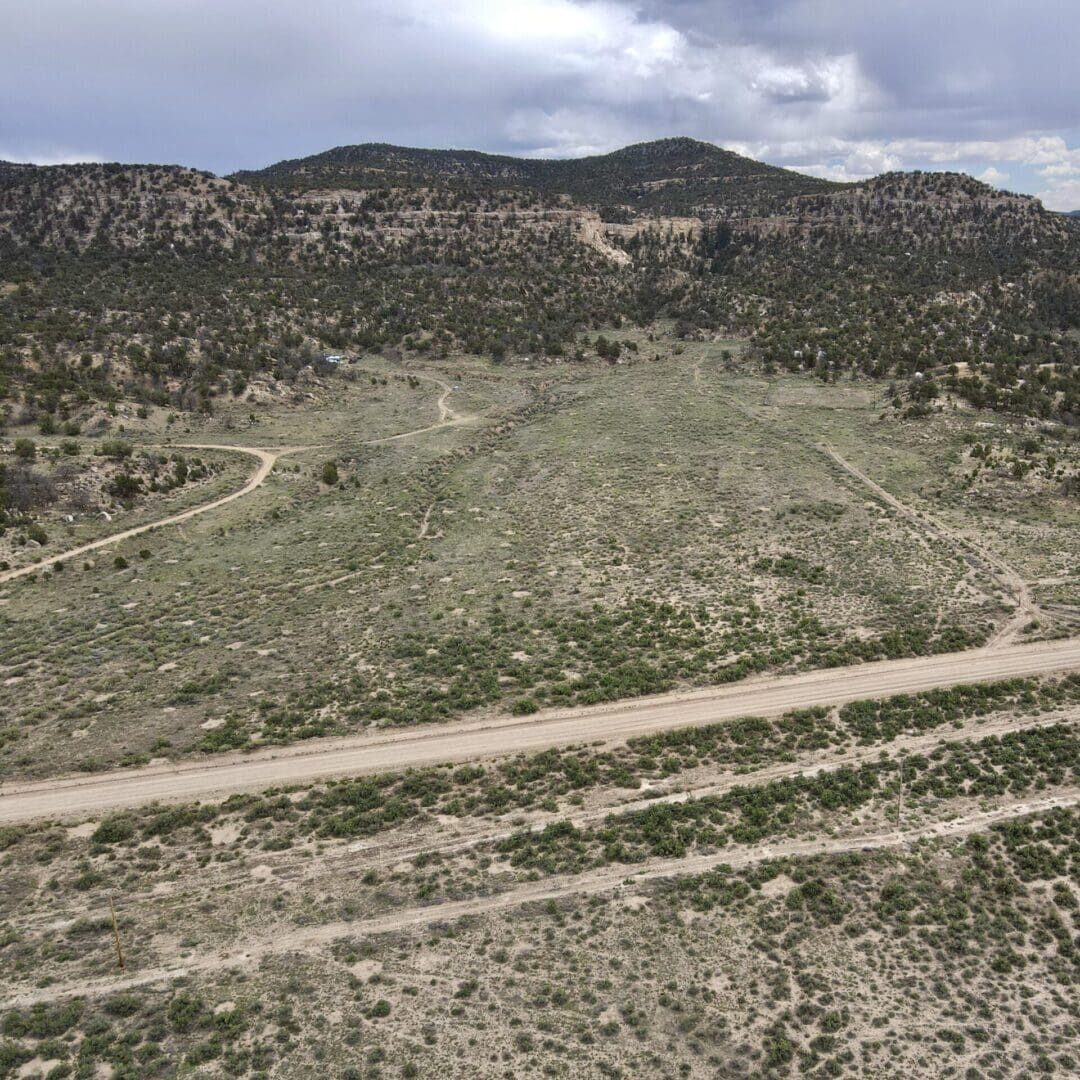
Tsé Adááłdááz translate to "the rocks that fell/have fallen" in the Diné (Navajo) language. Within this project site sits a notable landscape feature where the rock cliff is exposed among a wall of pinyon-pine trees and douglas fir.
The Tsé Adááłdááz or Fallen Rock Watershed sits 1.5 miles north of the end of pavement on Route 8066 within the Black Mesa/Kits’iilí Chapter community. The project’s watershed flows into the Oraibi Wash, one of five major drainages into the Little Colorado River. This Restoration Site is home to Daisy and Lee Kiyaani.
Daisy Kiyaani
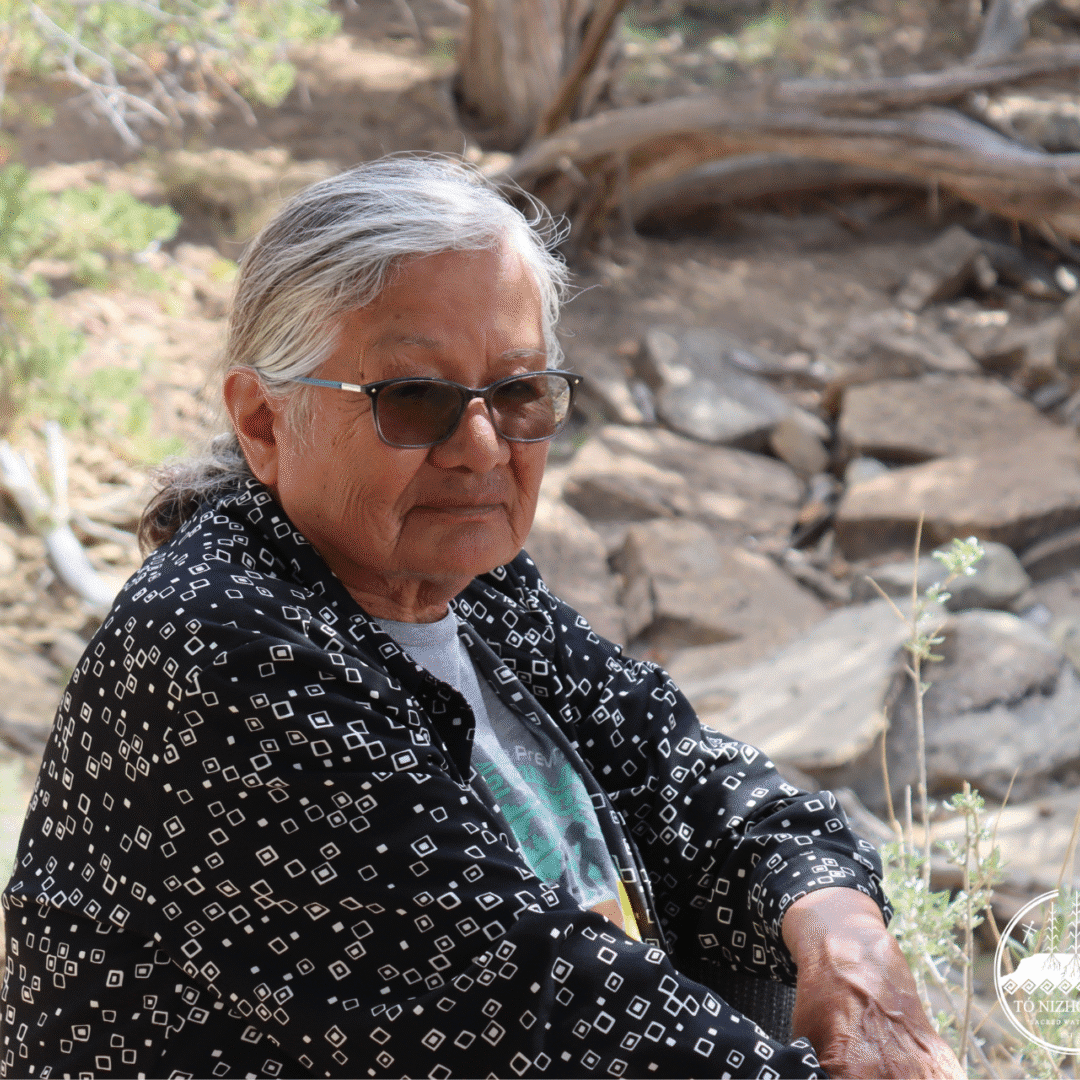
Daisy Kiyaani, Hashk’aan Hadzohí, is the local resident who granted our organization permission and an invitation to initiate ecological restoration in her area within the community of Black Mesa/Kits'iilí, AZ. Daisy initially learned about our ecological restoration efforts through the Tsiyi’ Tó Watershed Pilot Project wrap-up presentation at a Black Mesa Chapter meeting in the Fall of 2024. Noticing the need for restoration in her local area, she offered to be the host site of our first restoration site within the Black Mesa/Kits’iilí Chapter community. Daisy has been very supportive and collaborative in our work on this watershed project. Learn more about Daisy and our watershed restoration efforts by listening to our first Voices Podcast linked below.
“It’s so peaceful [here]. You can see all the formations and landscapes, and it makes you feel good. There were offerings and prayers given to the land for protection and nourishment. That's how we were brought up… That's what I like about living out here.”
Reading the Landscape: Three Levels of the Watershed
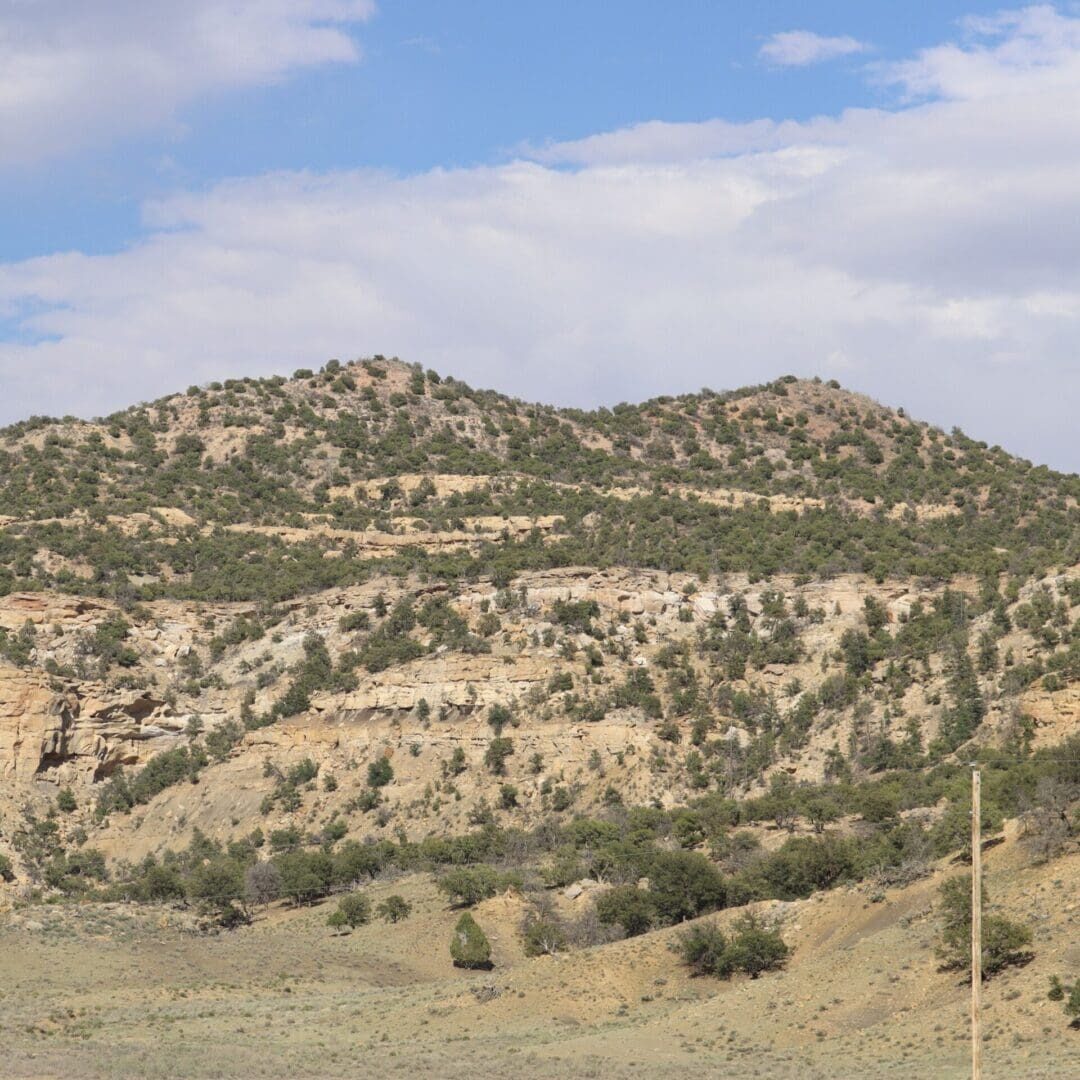
The Upper Tier: Where It All Begins
Up at the highest elevations, twin peaks and a ridgeline frame the top of the watershed like a pyramid. This is where rainfall first touches the land. The terrain is dramatic—steep mountainsides with exposed rock and waterfalls that race down into gullies almost immediately. Eagles nest in these heights, and here you'll find plants and animals that live nowhere else. This is the source of the watershed, the beginning of everything that happens downstream.

The Middle Tier: Nature's Slow-Down Zone
Just below the peaks sits a natural shelf, like a landing on a staircase. When rushing water from the upper tier hits this flatter ground, it naturally slows down and collects in pools before tumbling to the lower level. Here's the good news: this section doesn't need our help. The vegetation is thick, the stream winds naturally, and the soil stays put with embedded in washes. Nature is already doing the work of holding water and preventing erosion.
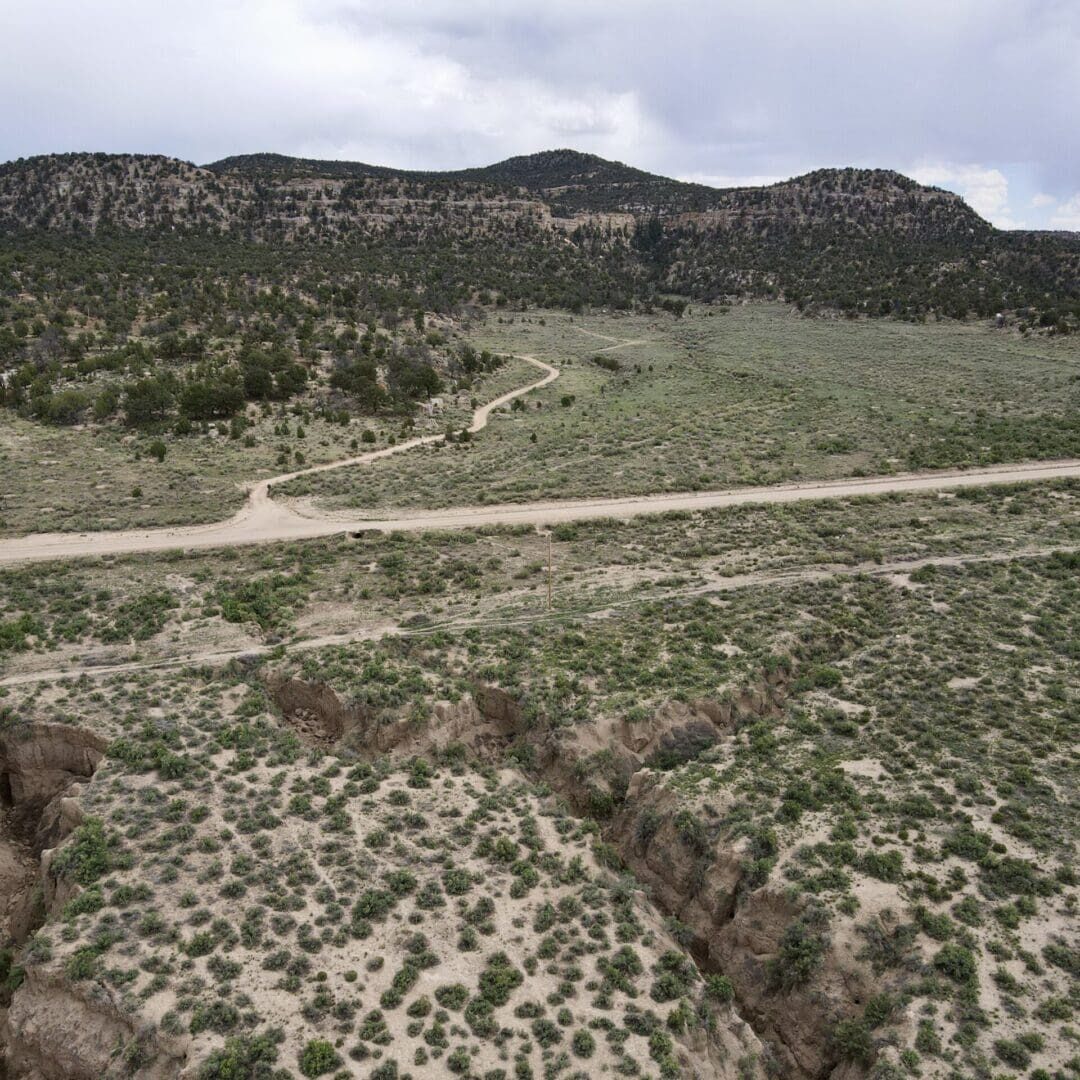
The Lower Tier: Where We Focus Our Efforts
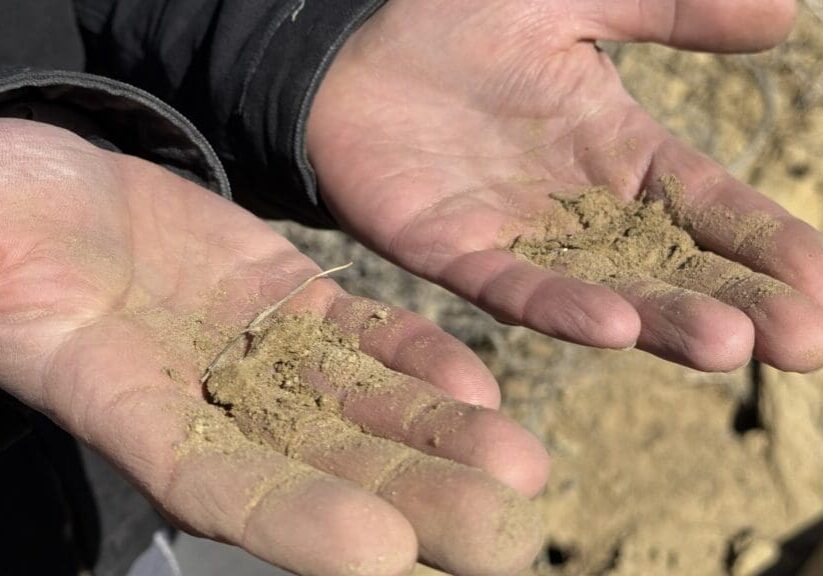
Down at the lowest elevations, the landscape opens up into a broad valley with fine, silty soil—the kind that turns thick and muddy when it rains. This is where the floodplain begins, and it's where we've built all 321 of our restoration structures.
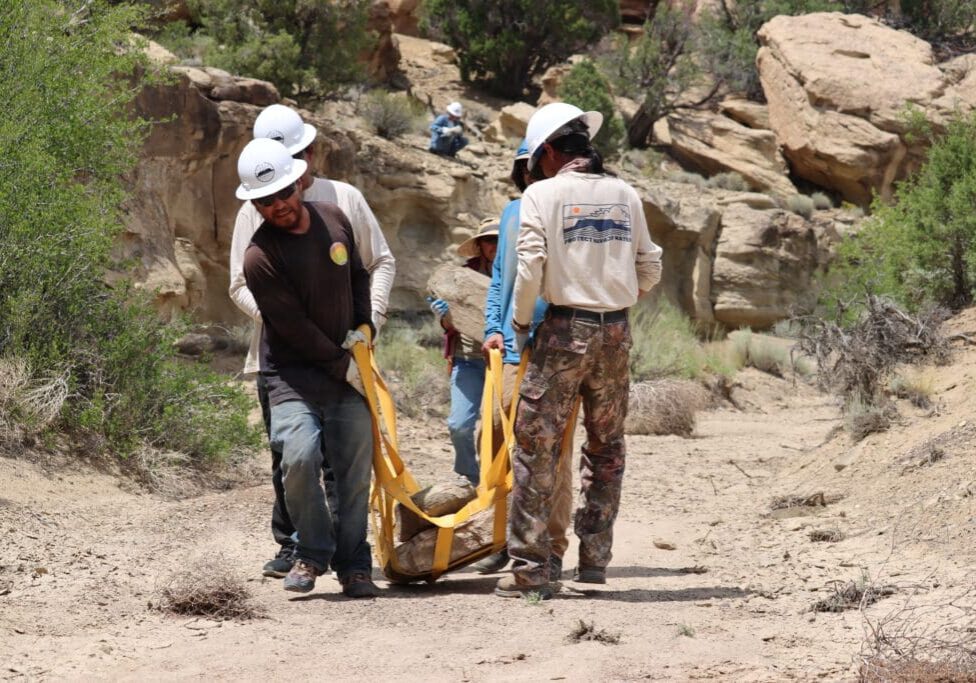
Rangeland plants thrive here—greasewood bushes and blue grama grasses dot the ground. This tier is the easiest to access (important when you're hauling rocks and logs by hand), but we tread carefully because the ground here holds stories: ancestral and modern.
The water that arrives here has already slowed down, but there's a catch. The elevation drops sharply between here and Oraibi Wash downstream, in conjunction with straightening streams, so without our structures, water would quickly pick up speed again and tear through the soil. That's exactly what we're working to prevent.
Tsé Adááłdááz Erosion Control Structures
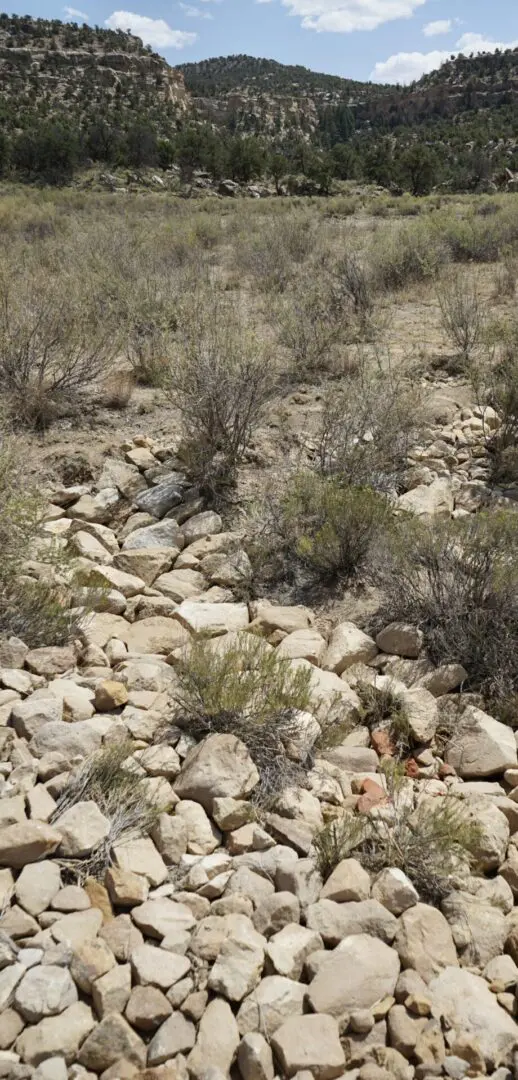
Making Water Work for the Land
Think about how natural, healthy rivers moves—it winds and curves, creating calm pools where water can settle. That's what we're trying to restore here. When water rushes straight down a slope, it races away, taking precious soil with it. When we make the streammeander and slow down, moisture has time to sink deep into the ground.
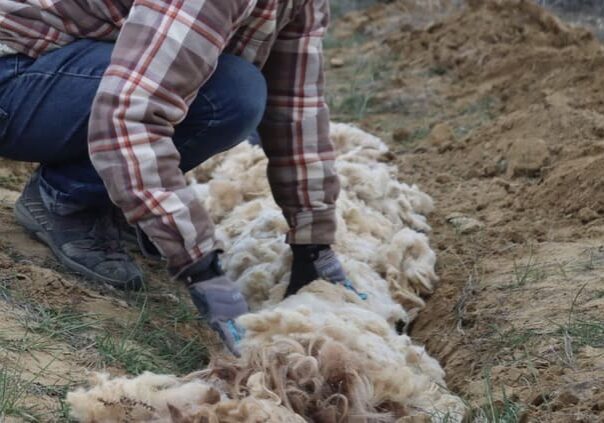
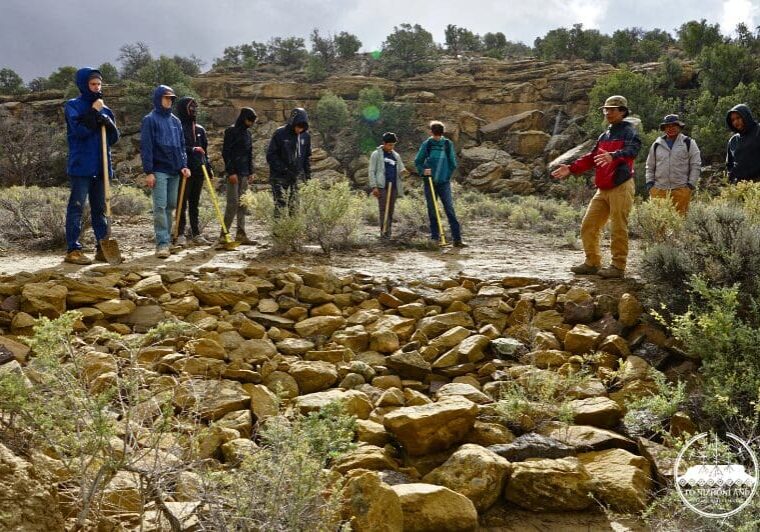
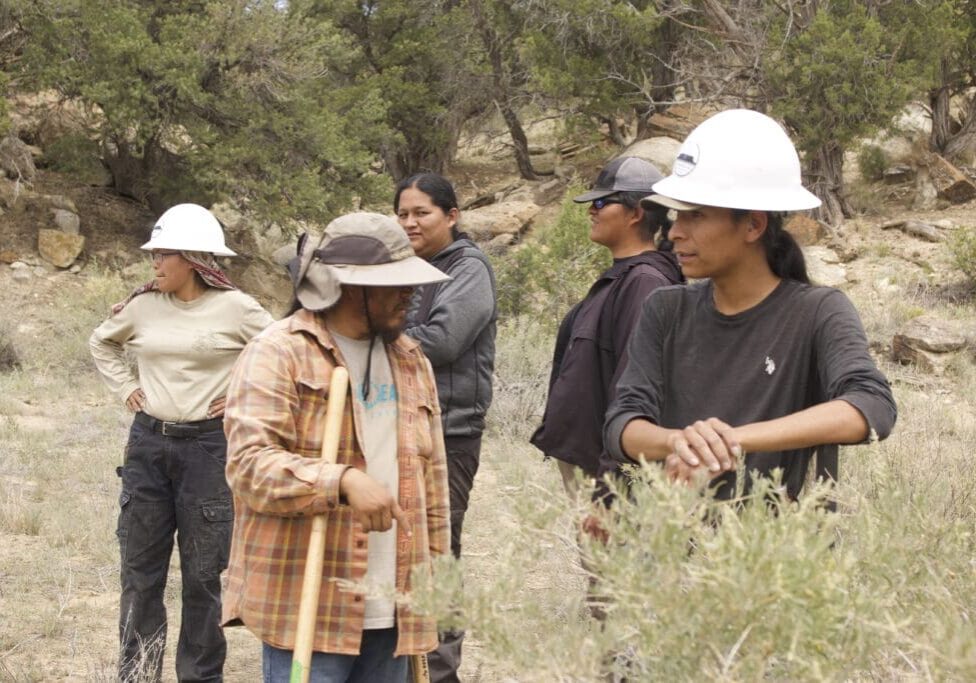
Here's the reality of this work: we're doing most of it by hand under the blazing sun, with just a tractor to help. That means we need to be smart about where we pile up rocks and logs before we start building. The closer the materials are to where we're working, the faster we can build. It's tough, physical work, but it makes a real difference.
The Big Picture
We're helping the land do what it used to do naturally—capture and retain water instead of letting it rush away. Every structure we build is like giving the earth a chance to drink deeply and refill its underground reserves. This means more water for the land, for plants, and for communities that depend on it.
What We're Building: 321 Structures to Heal the Land
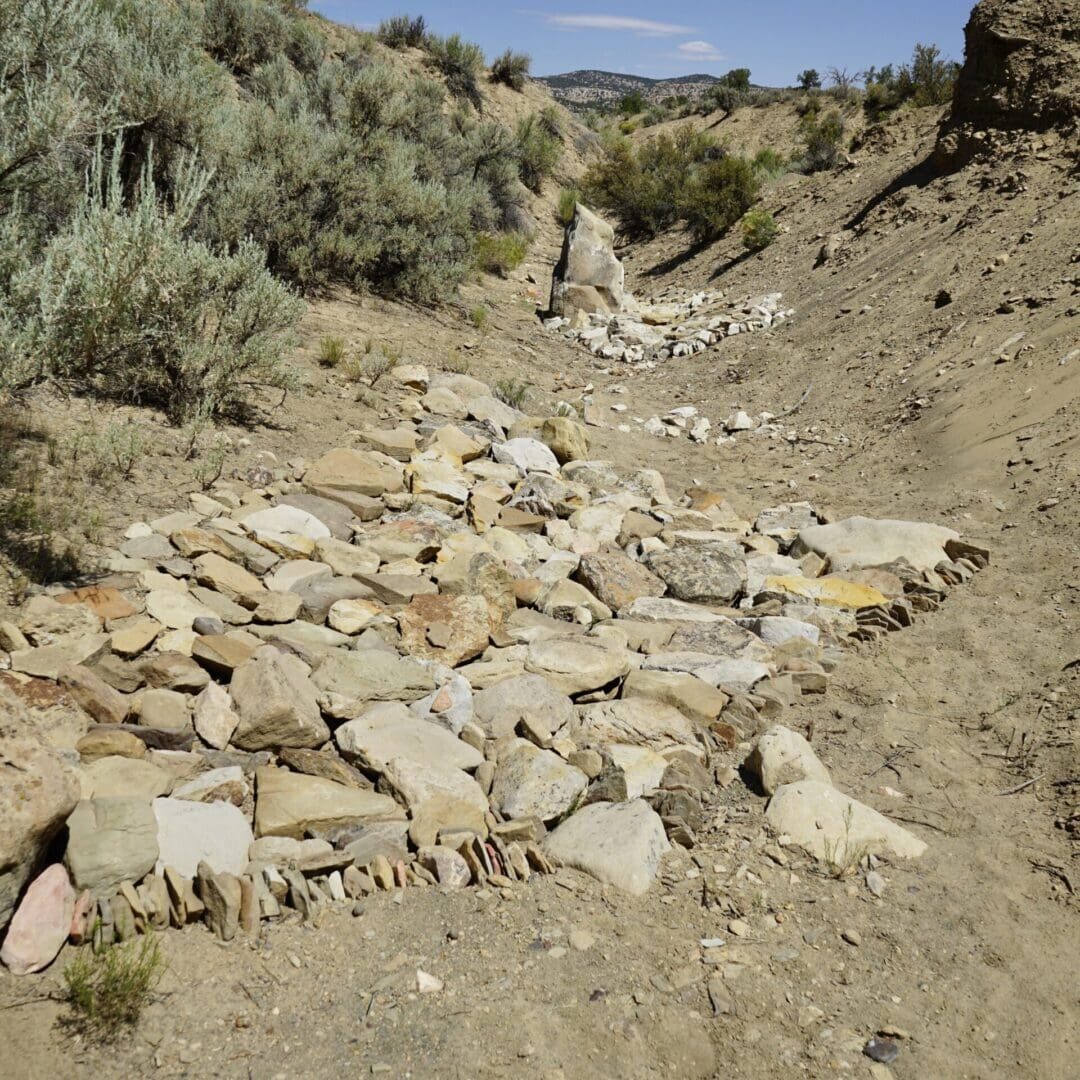
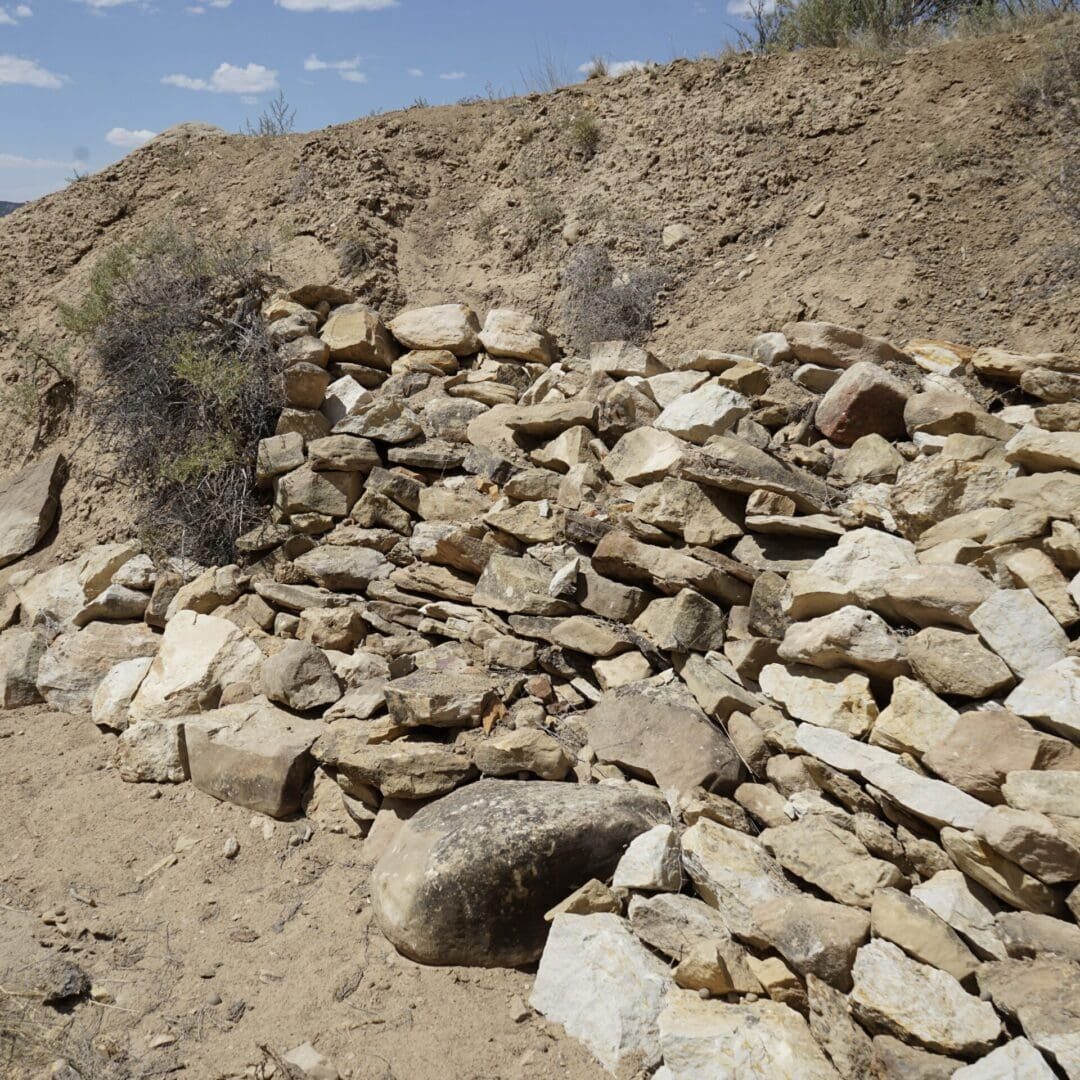
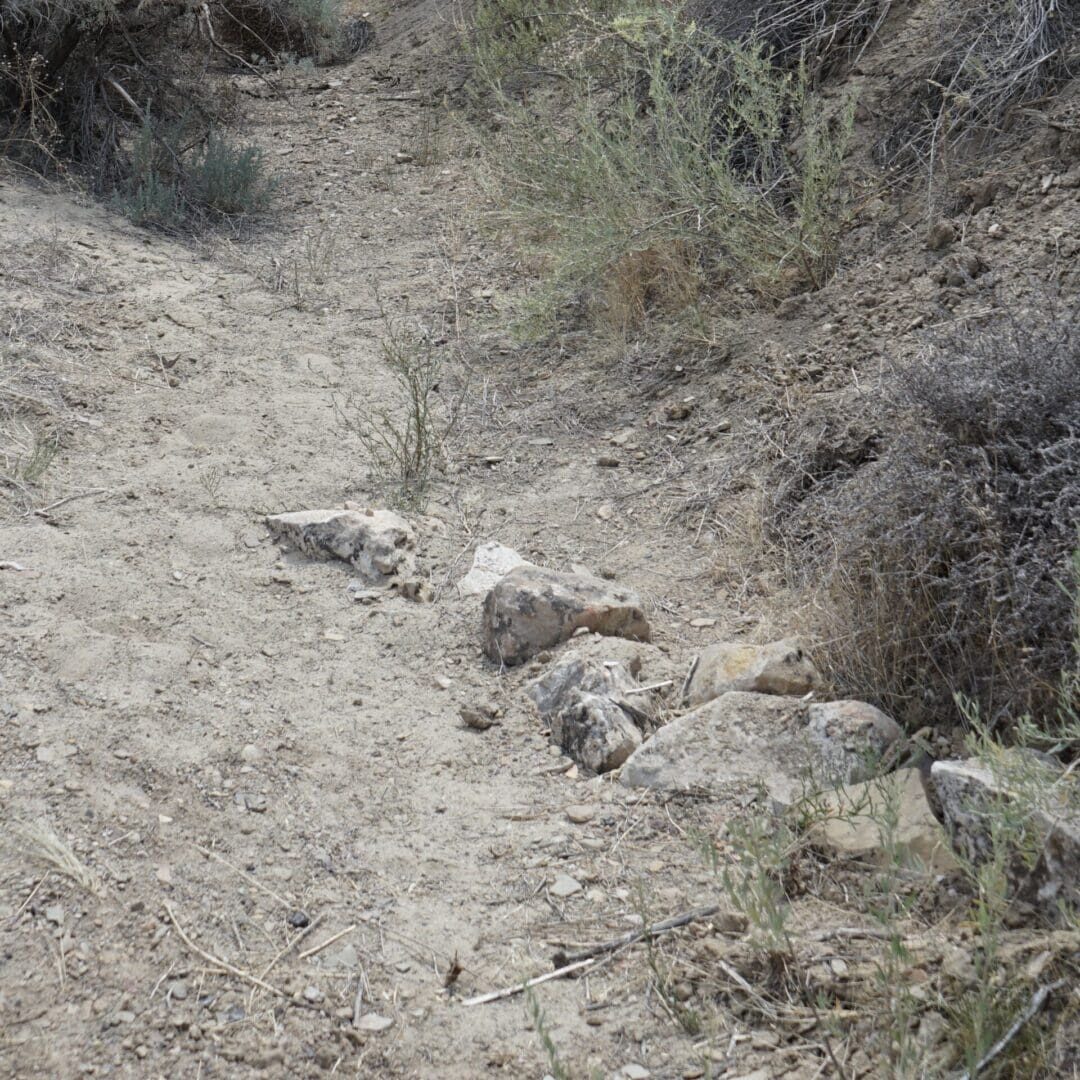
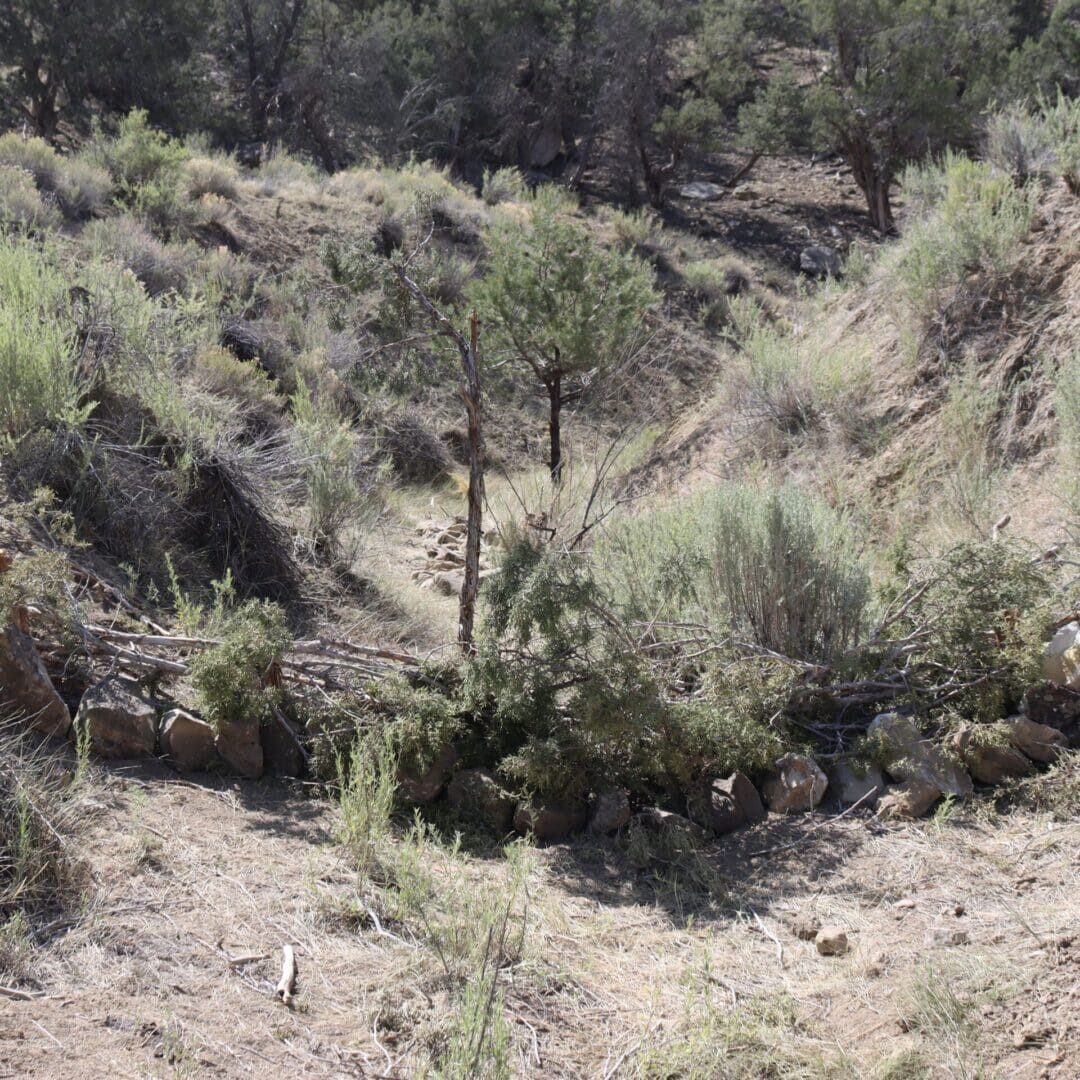
These aren't just piles of rocks—they're carefully designed tools that stop erosion and help water seep back into the soil where it can do the most good. Each type of structure tackles a different problem in the landscape.
Introduced Structures for Tsé Adááłdááz Watershed
Traditional Structures: One Rock Dam, Navajo Bowl, Rock Rundown, Media Luna, and Log Sill.


Partners
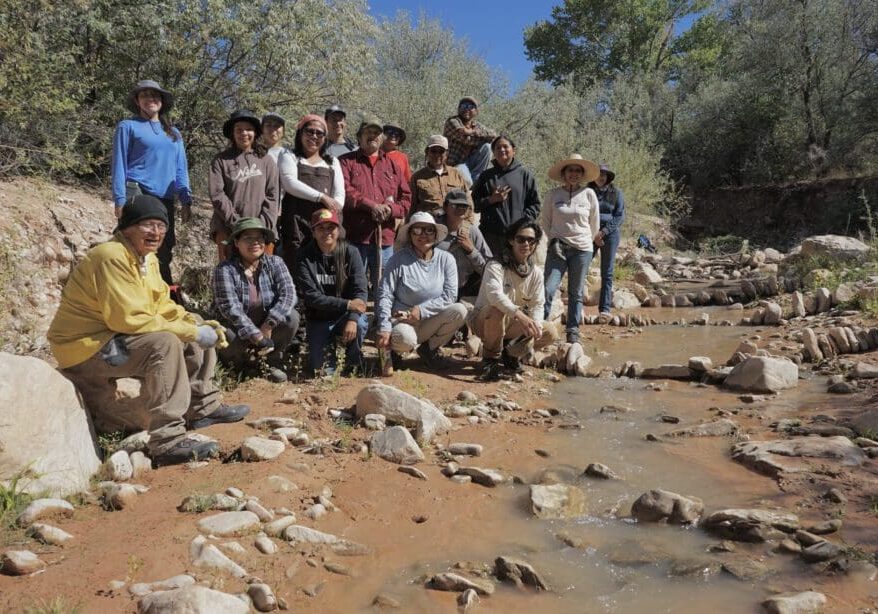
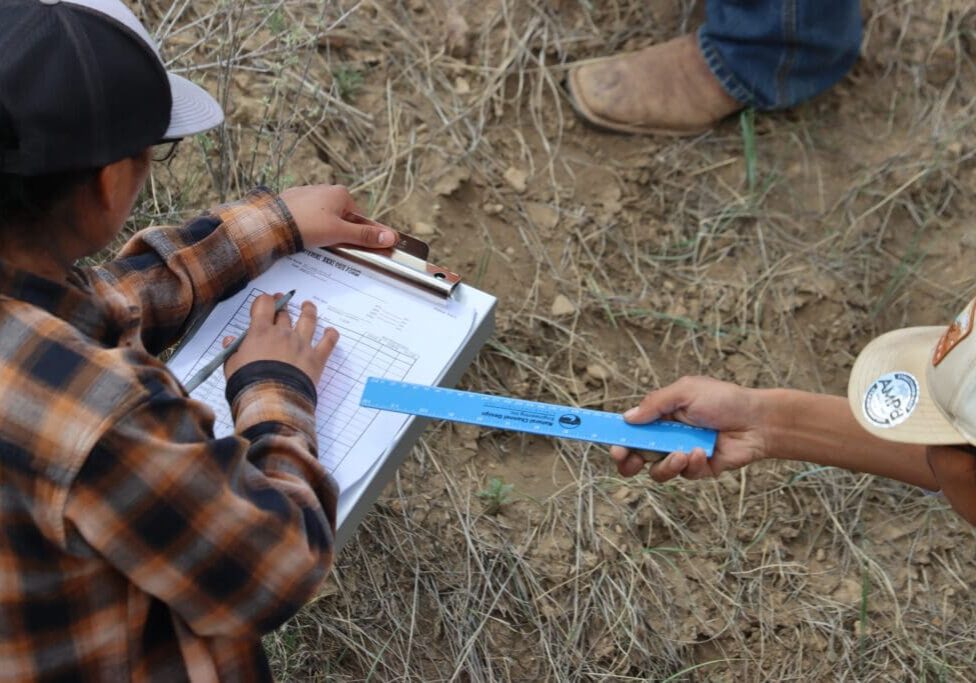
Our work in Tsé Adááłdááz is supported by partners in ecological restoration. Natural Channel Design Engineering, Inc. has had a small role in project oversight, assisting in small surveying observations over the course of the work in 2025. We thank them for their continued partnership and we look forward to working with them at a greater capacity in the future. We are working with Natural Channel Designs, Engineering, Inc in the planning stages to create a strong workplan for crews to implement structures. The targets of this campaign are government officials and local community members.


Summer 2025 Interns
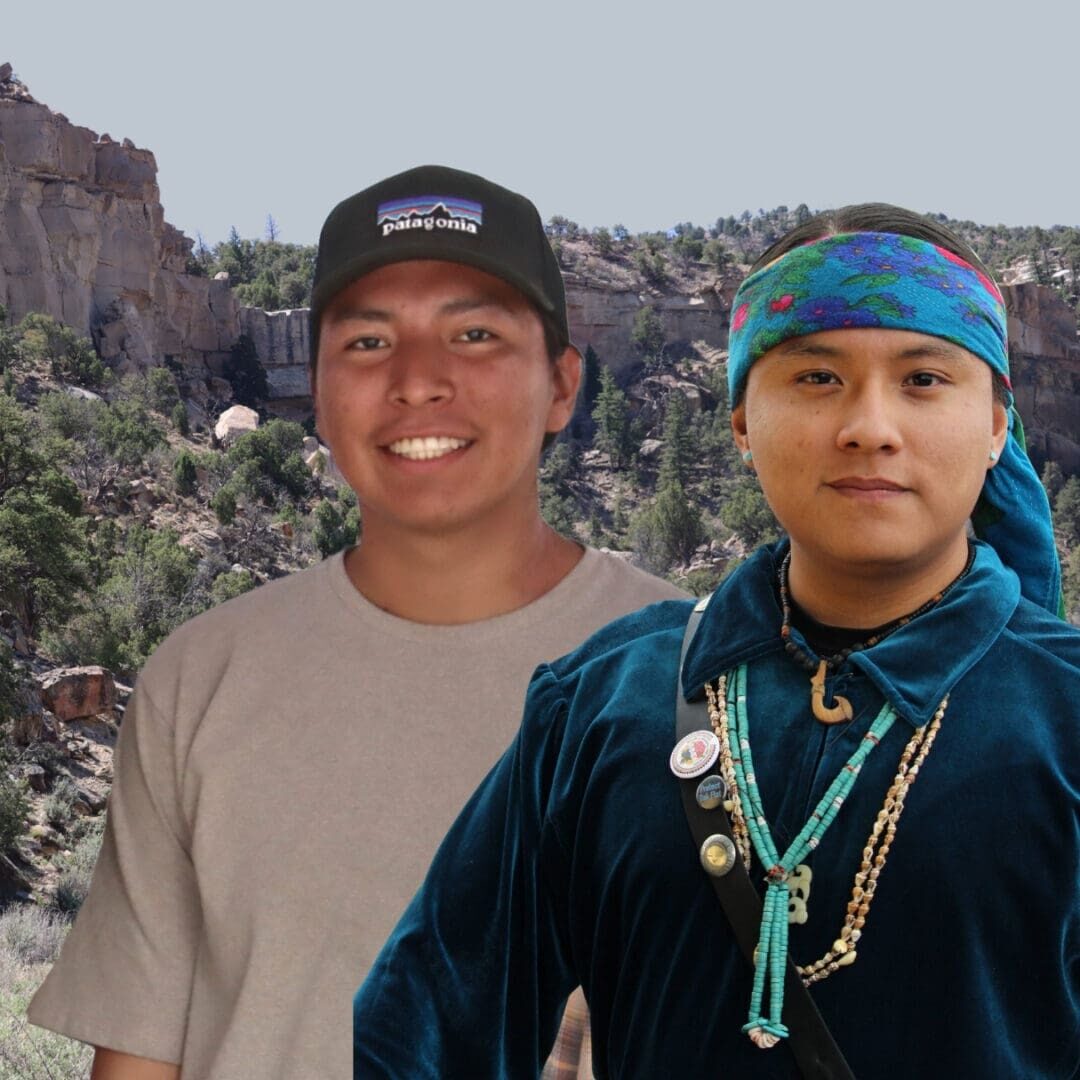
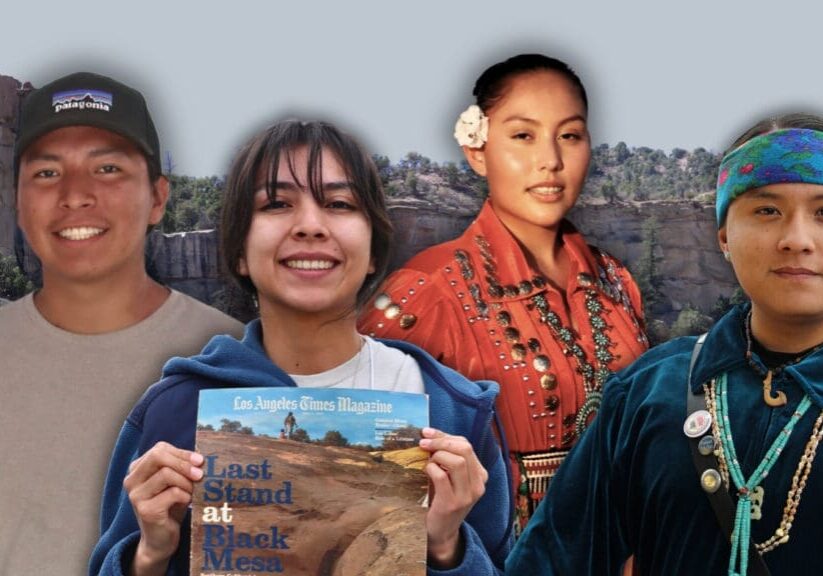
During the Summer of 2025, we had two student interns who were vital to the documentation and development of the Tsé Adááłdááz Watershed Project. Titus Bert, Kin Yaa'áanii, of Piñon/Black Spotted Mountain, AZ was our media intern. Titus took much of the photos found on this page. Makaius Marks, Tó Áhaní, of Bitter Springs/Flagstaff, AZ was our watershed intern. Makaius assisted our watershed lead Andrew with much of the field work and office work. Read More
What's Next?
As 2026 comes into view, the Tó Nizhóní Ání Watershed Restoration team will be expanding the work in the headwaters of Oraibi Wash, adjacent to the 2025 project site Tsé Adááłdááz (Fallen Rock) Watershed. With cooperation and trust between Tó Nizhóní Ání and local Black Mesa/Kitsilii Resident, Rose Lee, our work will continue to provide ecosystem benefit and present more opportunities for moisture to reach shallow and deep aquifers to benefit all life on Black Mesa. The TNA Watershed crew is also eager to begin the survey and implementation of restoration structures within the realms of each crew members residence.
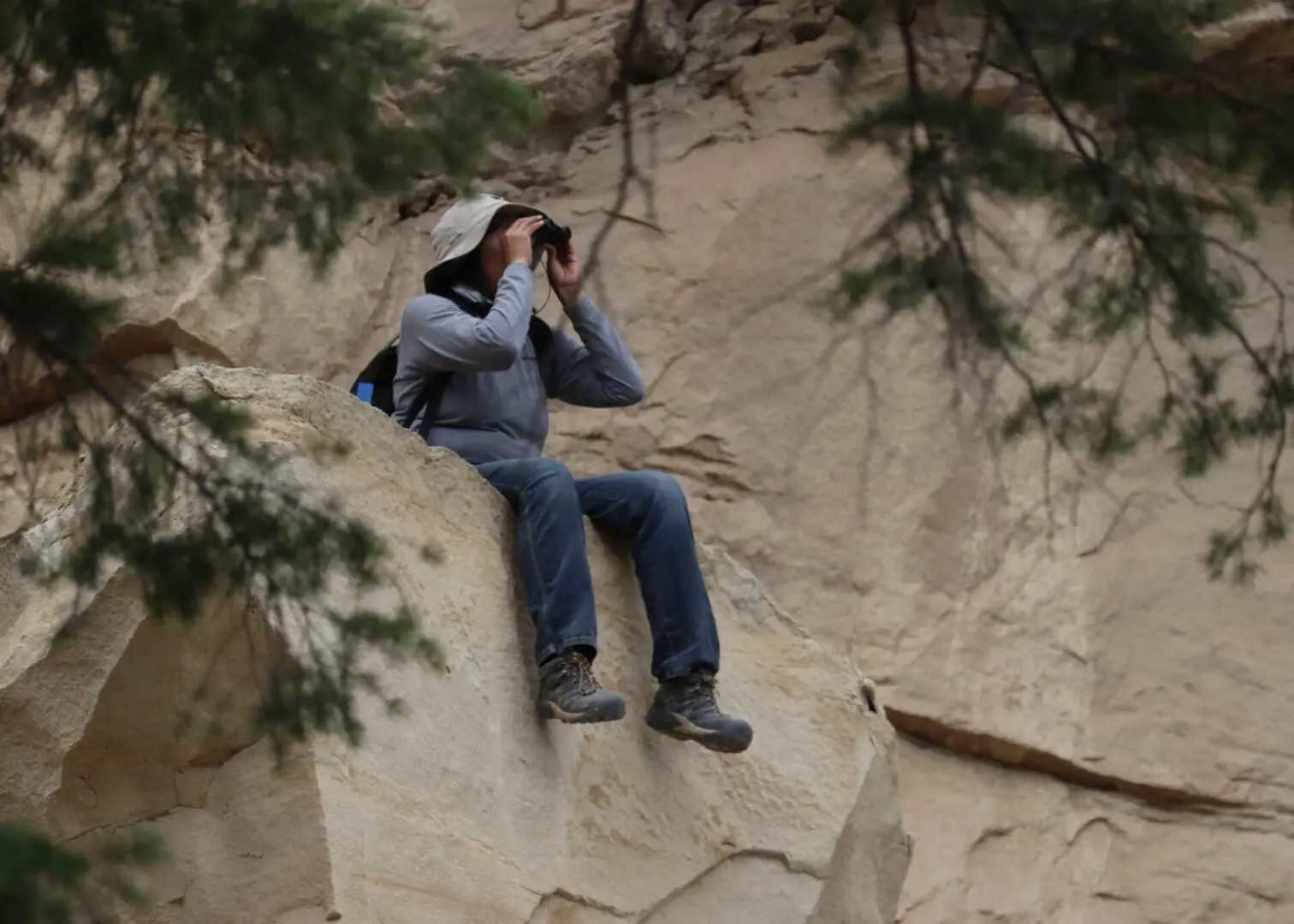
Additional monitoring days at the Tsiyi’ Tó (Wood Springs) Wash Pilot Project will gain insight into how the land is responding to certain structures. With our Pilot Project serving as our longest-implemented project, we continue to learn more over time to improve our construction practices in each new project. The Pilot Project will be revisited to see the viability of installing structures directly in the tributary and then build upon our findings.
Contact Us

Andrew Atencia
andrew@tonizhoniani.org

Adrian Herder
adrian@tonizhoniani.org