Oljato grazing permittees push back against proposed hydropower project
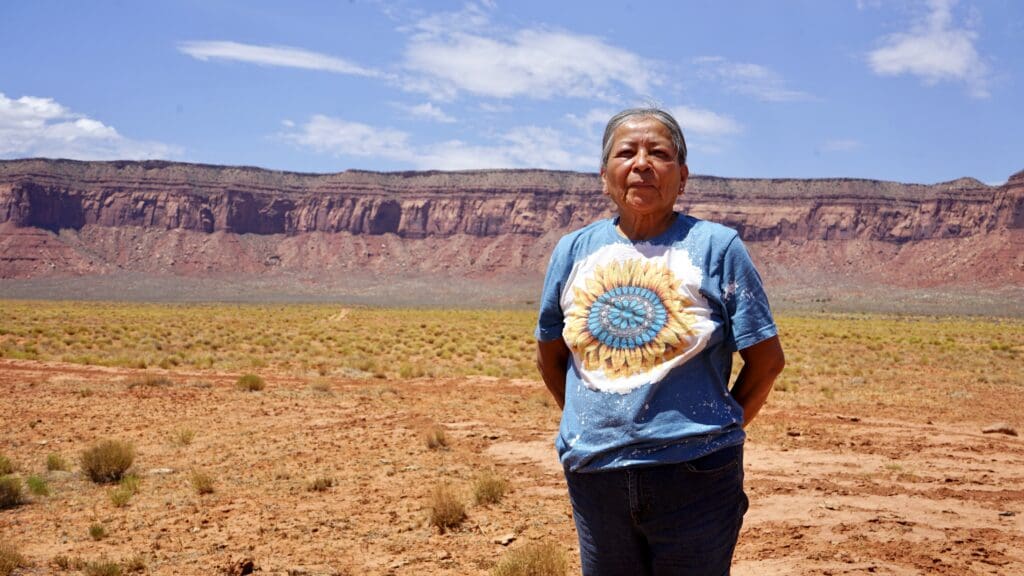
OLJATO, UTAH – On Monday, July 13, 2026, Tó Nizhóní Ání community organizer Adrian Herder met with impacted community members about the proposed Oljato Pumped Storage Project in Oljato, UT. Rhonda Todecheene, a local resident of Oljato, was in communication with Adrian and expressed interest in hearing from one another about pumped storage projects targeting Diné (Navajo) communities.
Earlier this year, Tó Nizhóní Ání organized a rally at the Navajo Nation Council chambers to spread awareness and express community opposition to the proposed pumped-storage projects targeting Black Mesa. At the conclusion of the event, Rhonda and her family approached Adrian and talked about the proposed Oljato project. Before meeting Rhonda in Window Rock, Adrian was unsure of the validity of this project as it was told to him by a third-person account.
Before the trip to Oljato, Adrian contacted Dr. Tommy Rock to inform him to join the meeting. Dr. Rock is an Assistant Research Professor at Northern Arizona University, and he also resides in the community of Oljato, UT. Dr. Rock pursued higher education to help his people, especially with the abandoned uranium mines dotting his community.
“It’s troubling that our elected officials aren’t being transparent with what’s going on, especially when it’s concerning the environment.” -Dr. Tommy Rock
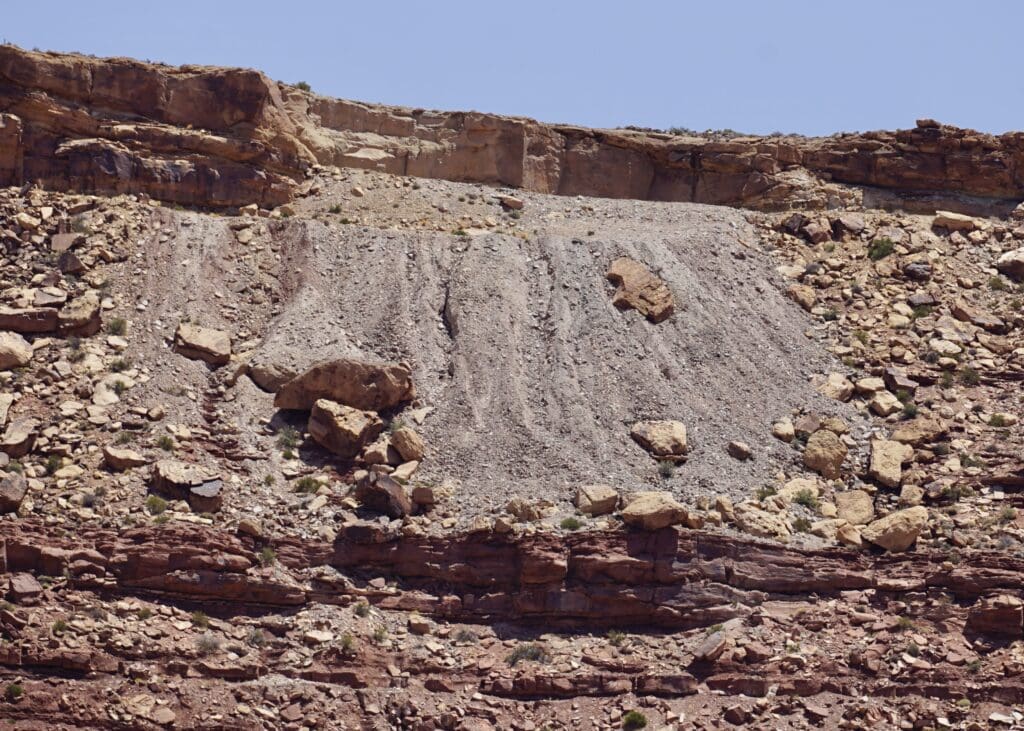
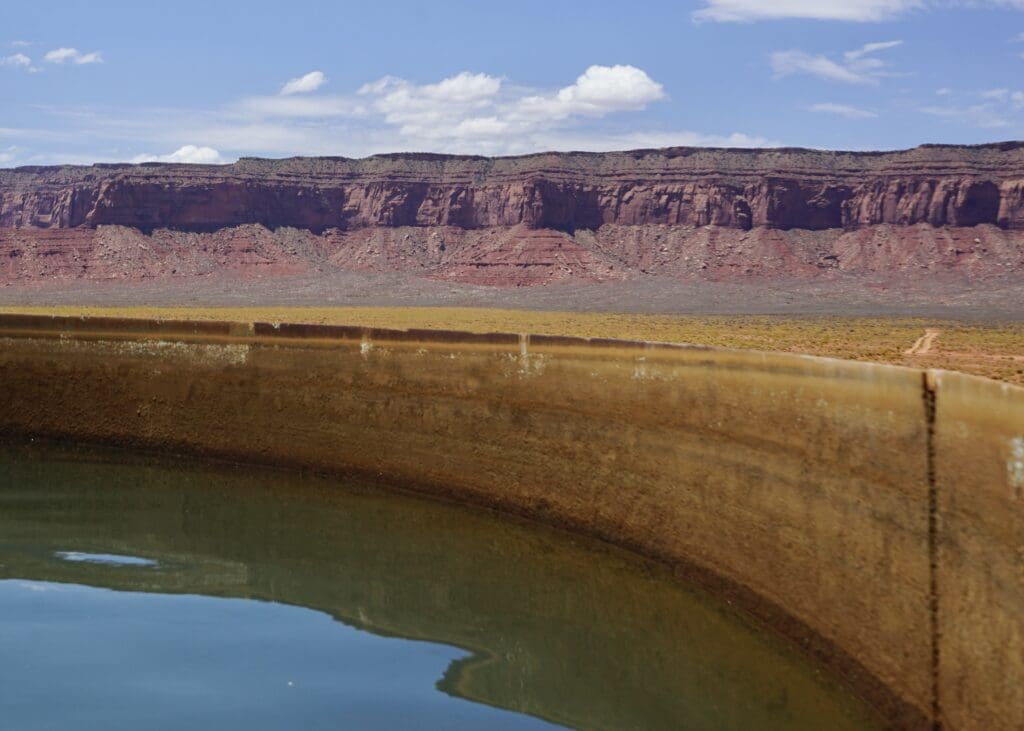
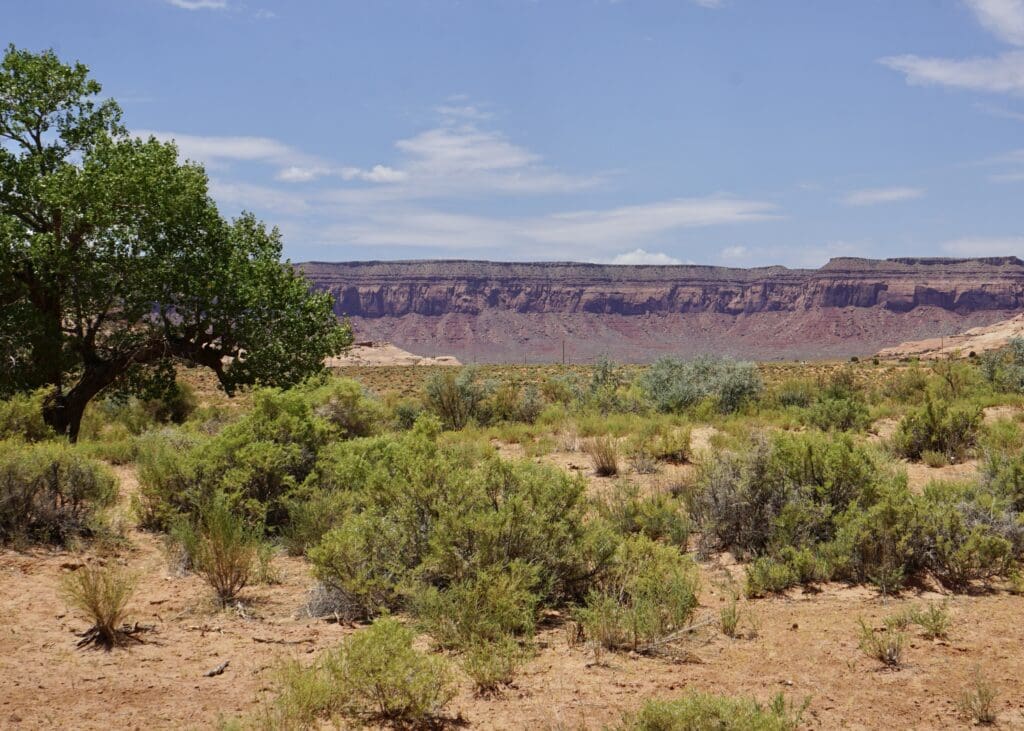
Adrian met Dr. Rock, his brother, and Rhonda and her husband at a local windmill in the community near the Hoskinini (Hashké Neiní) Mesa where the project was being proposed. The informal meeting began with introductions, during which Rhonda introduced herself and shared a little bit about the land and the people who call this region home. Rhonda, Hashk’aan Hadzohí, is a part-time rancher and part-time educator within the community. Like many in the area, she holds a grazing permit, which was passed down to her by her late father, Roger Haycock.
In 2024, Rhonda found out about the proposed Oljato Pumped Storage Project from the grazing official in her community. From the get-go, Rhonda knew there was something off-putting about this project, as she was left out of the conversation. She was given the runaround about this initial meeting with the developers when they came to her area.
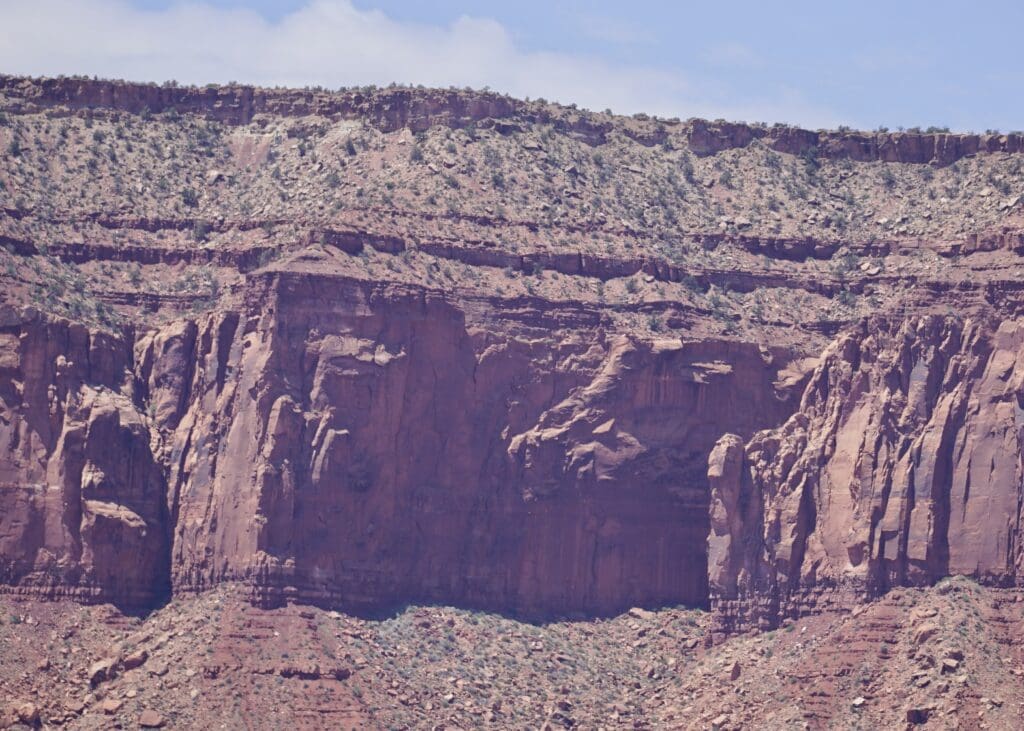
Once she learned more about this proposed project and what it would entail, she automatically thought of the impacts to her grazing lands, the mesa, and the diverse animals and plants that are located in the area. Hashké Neiní Mesa holds significant meaning in the community as being a place of refuge and fortitude during the days of the Spanish, Mexican, and American invasion of Diné lands.
“Ch’iilzéé da ádat’éhígíí kǫ́ǫ́ t’áá at’éí nit’ę́ę́’ kéyah bikáá’” – Rhonda Todecheene, Hashk’aan Hadzohí
The promises of jobs and water for the local area are key talking points the developers are pushing on the community. The developers did not specify the water source for this project, but the Navajo aquifer is not far below, and the San Juan River is less than 16 miles away.
Like many of the proposed pumped storage projects, the impacts on the local groundwater are of big concern for local community members. Particularly, the community of Oljato, UT, which continues to see numerous water sources being contaminated by uranium.
Rhonda and other grazing permit holders, fearing their livelihoods would be uprooted by this project , took their concerns to the local chapter house and council delegate. Upon realizing they were not getting anywhere with their concerns about this project, Rhonda and others wrote letters to the Navajo Nation expressing their concerns with this proposed pumped storage project and demanding that the developers cease all further discussions with impacted community members.
Since 2024, Rhonda and others have not heard anything from the developers. She is hopeful that others in the area take a good look at these proposed projects that plan to use Diné land and water for profit. Seeing the red rock sandstone formations like Hashké Neiní Mesa every time she steps outside reminds her of the strength and resilience of her ancestors. They are a reminder of why protecting these sacred places is important. For more information about this story, please email adrian@tonizhoniani.org.