Advocating for aquifer protection at the Indigenous Hydropower Summit
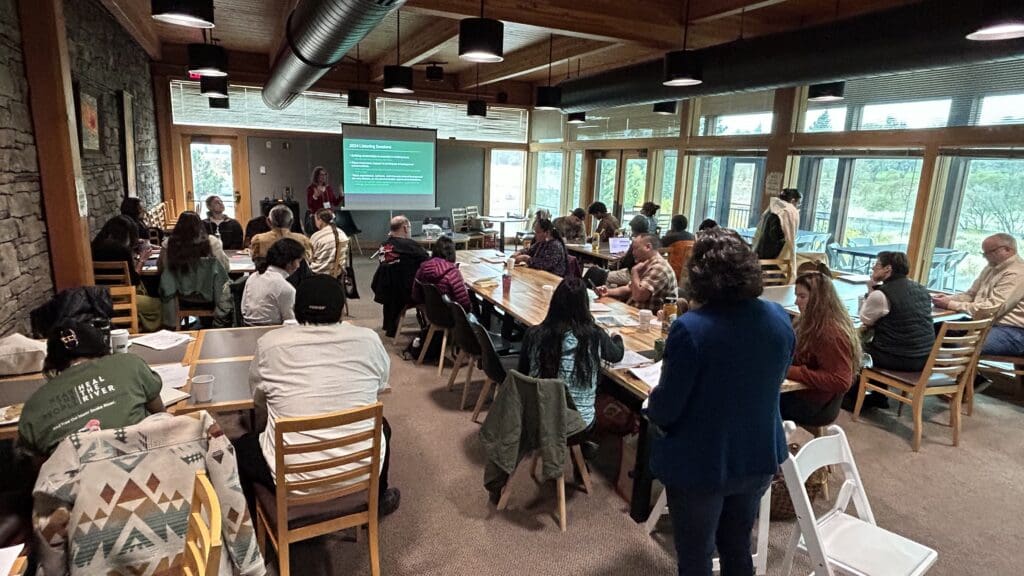
In early November, Tó Nizhóní Ání attended the inaugural Indigenous Hydropower Summit, held at the Columbia River Discovery Center in The Dalles, OR. This two-day summit brought together tribal professionals, organizations, and local community members from across the United States to gather and share experiences related to hydropower. The goal of this summit is to identify areas where tribes and Indigenous people can work together to address the hydropower issues most important to Indian Country.
The event began with an opening prayer and story by Tony Washines, a Yakama elder and fisherman. Tony shared part of the Yakama Nation’s history of displacement by hydropower in the region. One notable event in the 1950s was the completion of the Dalles Dam, which began filling and ultimately submerged tribal villages along the Columbia River. The Celilo Falls, a sacred site for many tribes in the region, was also lost when the dam was completed.
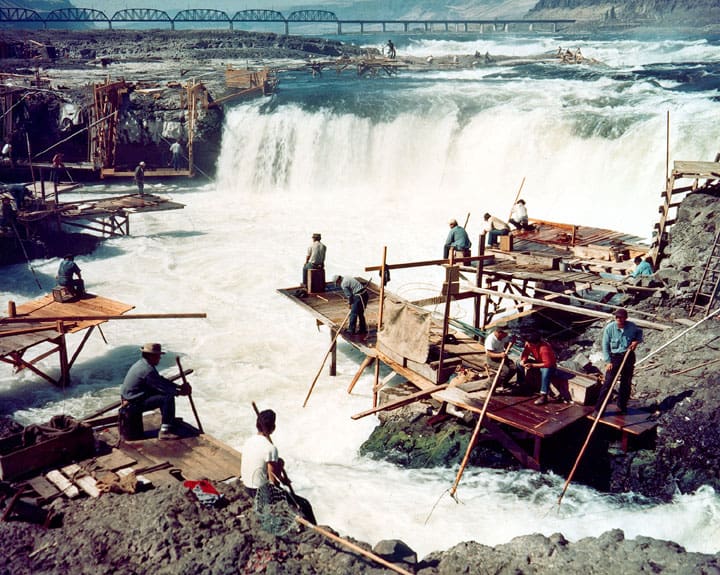
Stories like Tony’s were not uncommon within the Columbia River Basin. Many tribes, such as Warm Springs, Umatilla, and the Nez Perce, recall losing villages and sites along the rivers as hydropower dams were completed. Today, with the current administration, more hydropower projects are being proposed or extended. This effort has prompted calls for hydropower reform, whether through dam removal or genuine tribal consultation and consent.
In spring 2026, the National Indigenous Coalition on Hydropower (NICH) was founded at a Tribal Summit on Hydropower hosted by Ridges to Riffles Indigenous Conservation Group and American Rivers. At that summit, Tribal and Indigenous participants selected an advisory group, called the Stewards, to guide and inform NICH’s development moving forward.
Throughout the summit, facilitators and stewards guided conversations about NICH and how it can play a role in hydropower reform and what that looks like in the current political landscape. During the summit, Arman Entenzar, a representative from the Native American Rights Fund, shared a presentation about the hydropower licensing processes and how tribes have leverage.
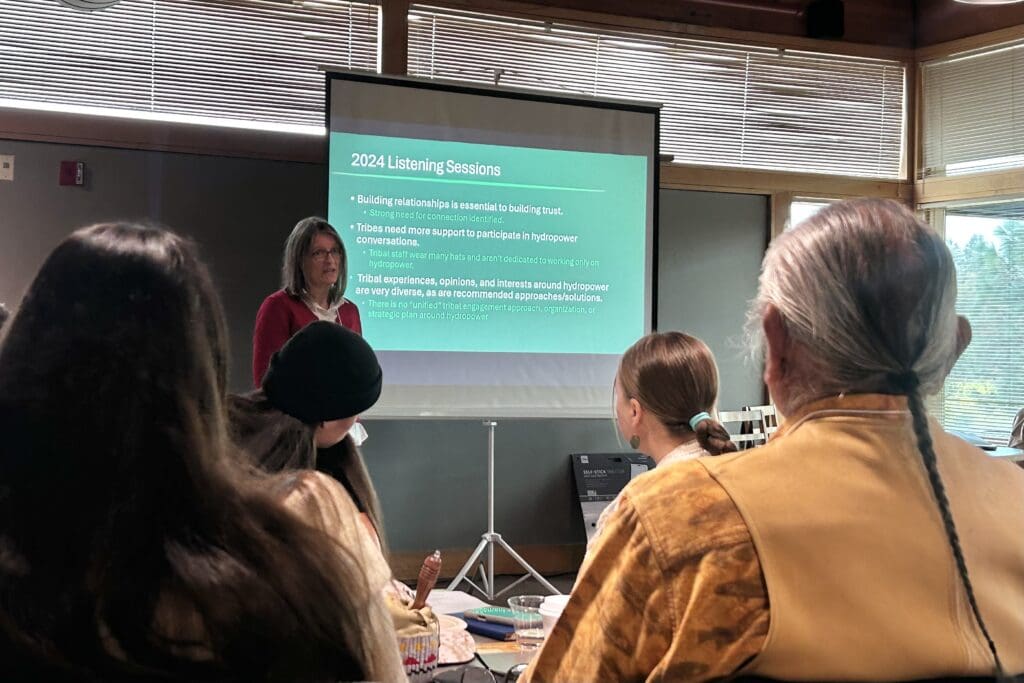
NICH co-convenor Kelly Catlett of American Rivers followed up with a presentation on the current federal hydropower policy. Kelly’s presentation noted the changes to the tools and authorities that tribes rely on, and the implications for Tribal sovereignty, resources, and participation. Throughout the summit, participants shared stories of hope, reassurance, and solutions despite the history of hydropower within the region and across the US. One notable solution was the Columbia Basin Restoration Initiative, a roadmap for salmon recovery and community resilience in the Pacific Northwest.
On Day 2, Tó Nizhóní Ání (TNA) was given the opportunity to share information with summit participants about the hydropower proposals targeting Black Mesa. In a panel discussion titled “The Next Generation of Hydropower – Pumped Storage,” TNA, representatives from the Low Impact Hydropower Institute, Surabhi Karambelkar , and the Grand Canyon Trust’s Daryn Melvin shared vital information about the validity of pumped storage and attempts at hydropower reform.
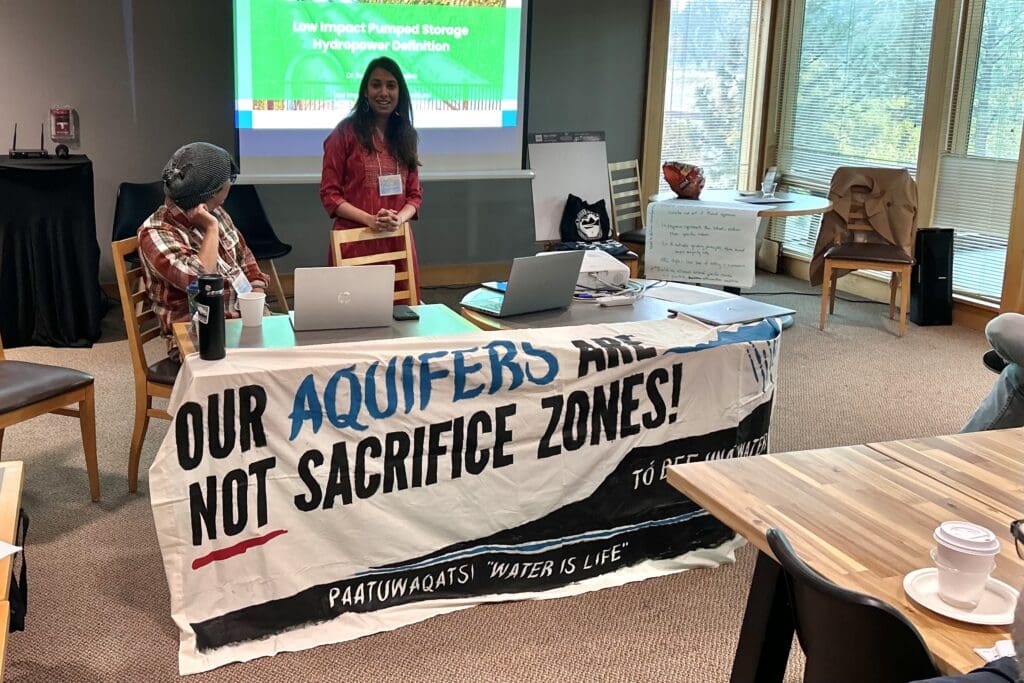
Before the summit concluded, one participant expressed gratitude for the grassroots work TNA has done to address the pumped storage threat to Black Mesa while also marveling at the scale and vastness of the Navajo Nation. This comment cemented the need for grassroots representation in reform spaces such as NICH. Tó Nizhóní Ání brought the message of aquifer protection to the national level.
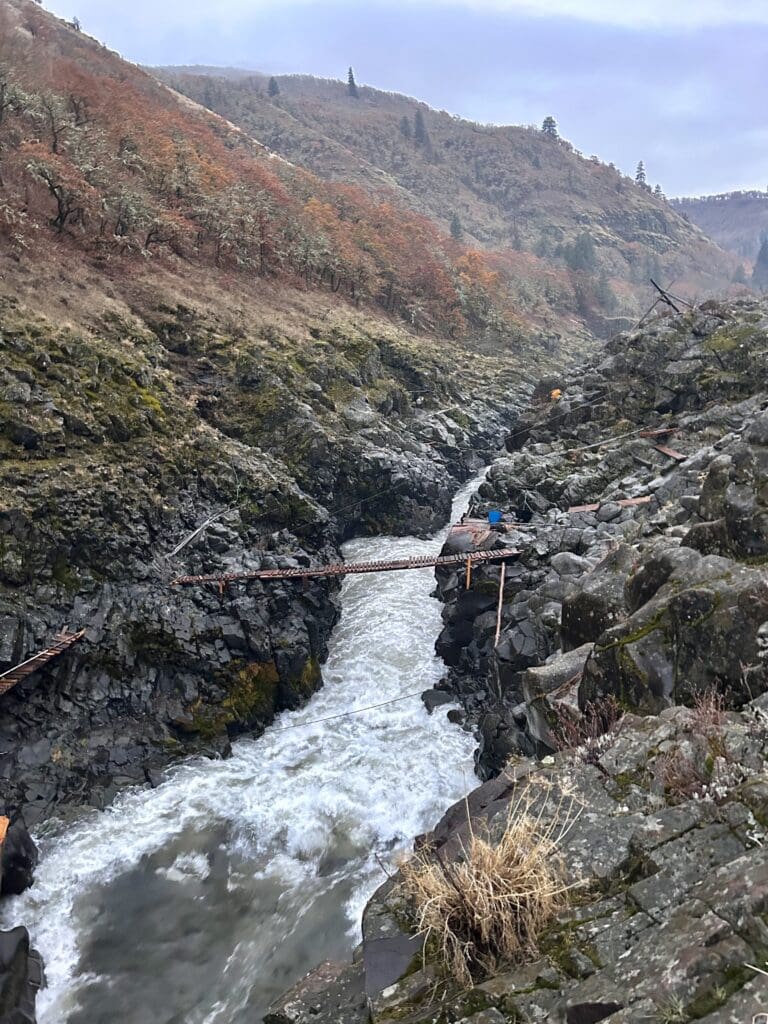
At the end of the summit, participants were invited to visit one of the few remaining traditional dip-net fishing sites along the Columbia River. Lyle Falls in Lyle, WA, closely resembles what was at Celilo Falls before it was lost to the Dalles Dam. The trip to the Columbia River for the Indigenous Summit on Hydropower is a great reminder of the importance and power of water. Whether its surface water or groundwater, this entity must be respected and protected. Tó Nizhóní Ání appreciates being involved in this summit and carrying the message from communities on Black Mesa to the national level.
