
President Nygren, don’t let history repeat itself by settling for less with TEP
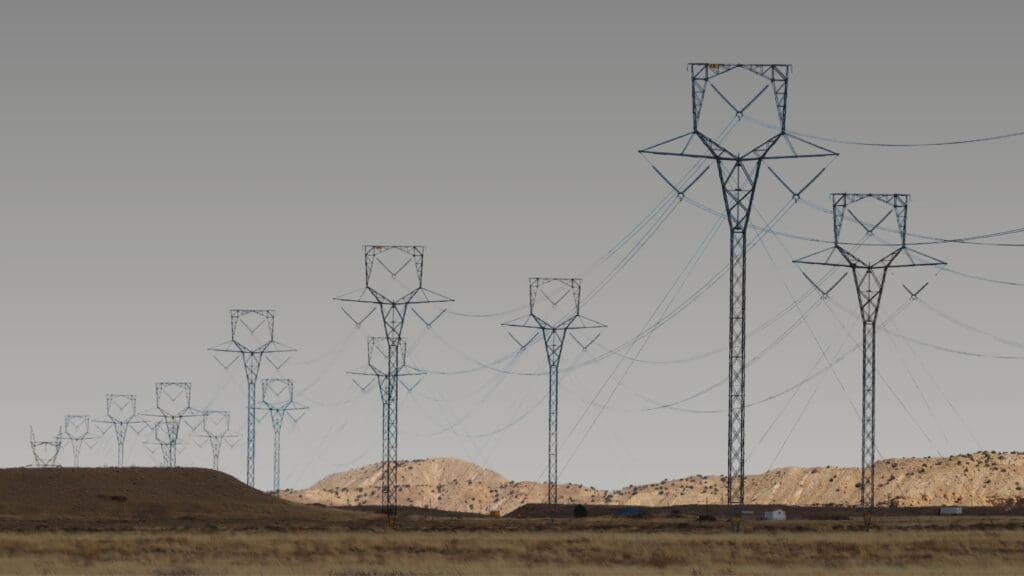
Tucson Electric Power (TEP) is inching closer to negotiating a deal for the right-of-way (ROW) renewal of TEP’s transmission lines in eastern Navajo for another 25 to 50 years. As the federal government pushes for “energy dominance,” existing transmission lines are critical.
The Navajo Nation’s negotiations with TEP should ensure fair market rate compensation, since the initial 1973 agreement for one-time payments fell far below market rates from that time period, and should also ensure that impacted chapter communities receive the direct community benefits they requested in their TEP-ROW chapter resolutions, since community benefits were not provided in the initial TEP-ROW.
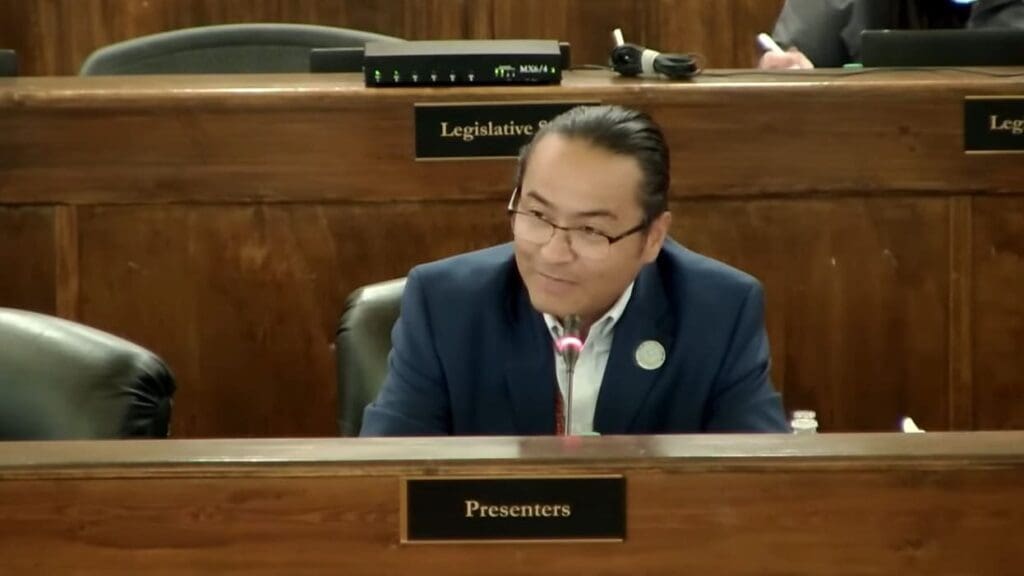
Navajo Nation President Buu Nygren provided an update on the TEP ROW renewal in November 2025. At the time, he stated the Nation and TEP had agreed to a $110 million payment; he further stated he would like to see $55 million of the total allocated toward Navajo Tribal Scholarships. Tó Nizhóní Ání (TNA) still has critical questions about the ROW lease renewal:
- Regarding the $110 million, will this be a one-time payment to the Navajo Nation for the entire term of the ROW lease renewal or will this be a yearly payment from TEP?
- What is the term or length of the TEP-ROW lease agreement? Is this for another 50-year period and/or are there shorter renewal option lengths?
- Were there any community benefits agreed to for direct community benefits for the 14-impacted chapter communities?
- Does TEP plan to have meetings with the impacted communities to give them this information?
History of this right-of-way agreement:
In 1969, Tucson Electric Power expanded plans for additional coal-fired electricity by becoming a co-owner of two coal-fired power plants in northwestern New Mexico, San Juan Generating Station and Four Corners Power Plant. To move electricity from northeastern New Mexico to southern Arizona (where TEP’s customer base is located), the company constructed a 500-mile transmission line, with 102 miles of this line crossing 14 different Navajo Chapters between Farmington and Gallup, New Mexico.
In 1973, the Navajo Nation granted TEP easements for this 102-mile section of the transmission line. The original ROW agreement compensated the Navajo Nation with a one-time ROW payment of $269,090.50 and $38,244 for reseeding, far below market value. Additionally, 242 grazing permit allottees proportionally shared a one-time $110,000 ROW payment.
This payment to the Nation amounted to $1.32 per acre per year, far, far less than what the Bureau of Land Management required of transmission line developers in Navajo and Coconino counties a few years later, in 1980. Even adjusted for inflation, that $1.32 would be just under $10 per acre per year today, a sweetheart deal for TEP. Currently, the BLM, Arizona, and New Mexico State Land Departments require utilities to pay between $200 to $300 per acre per year.
It is time for a just transition:
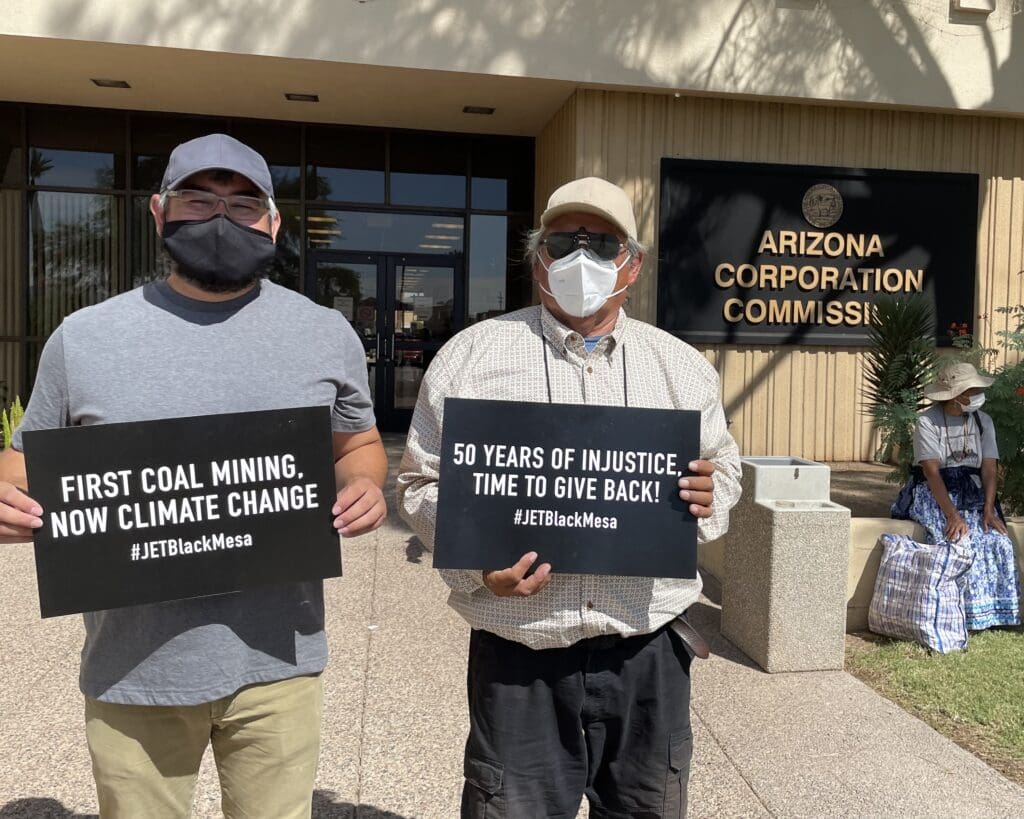
For nearly half a century, TEP and other utilities have benefited from discounted rates and subsidized water and coal in their leases with the Navajo Nation. This arrangement took advantage of tribal resources and kept Navajo members locked into a single economy. To address the economic cliff from coal plant closure, the Navajo Nation tried to obtain coal community transition support from TEP through the Arizona Corporation Commission. TEP refused, saying that it would not unless the ACC compelled it to do so.
Meanwhile, the benefit to each impacted community is still unknown, and the President of the Navajo Nation’s agreement with the TEP is still vague.
Related Stories
